
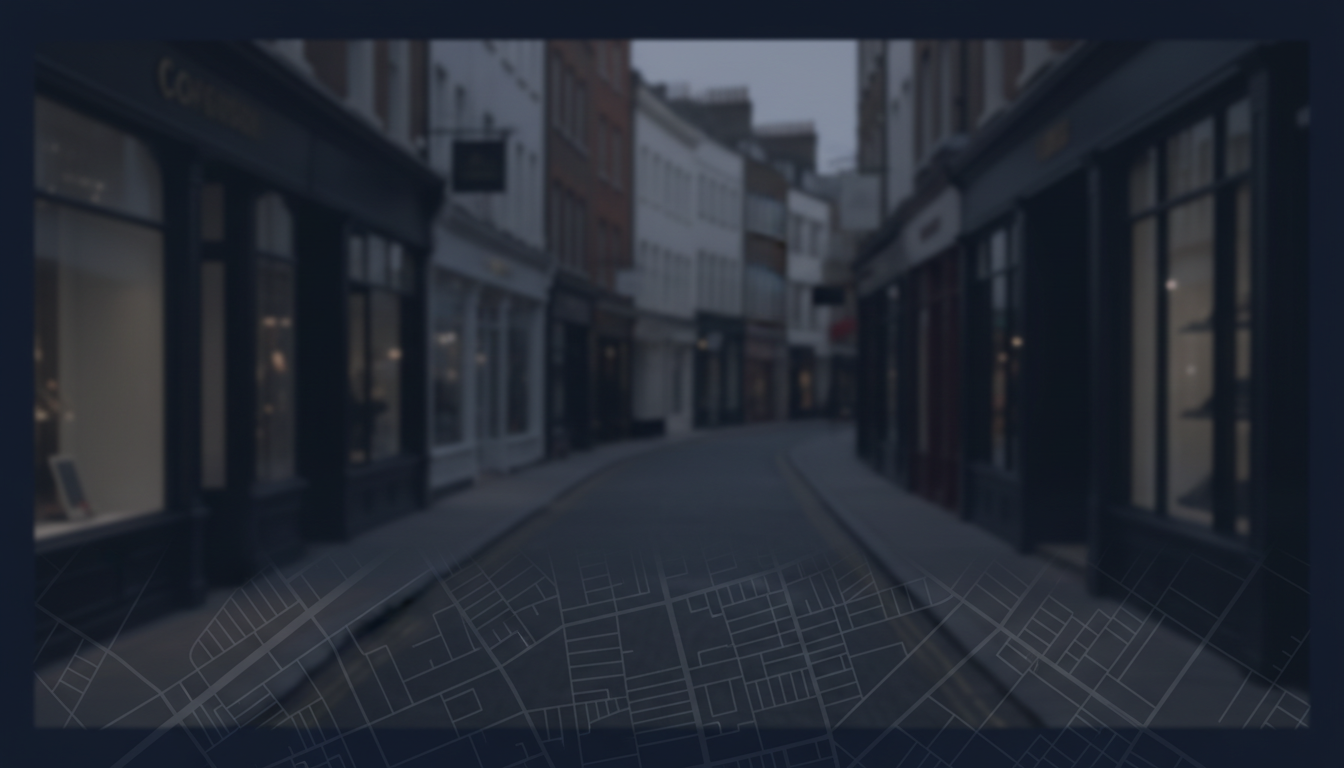


Marylebone High Street
Marylebone
Marylebone High Street sits within the City of Westminster as a refined high-street corridor that blends premium fashion and boutique retail with local services, cafés, and culture. Its pedestrian-friendly character is reinforced by proximity to West End brands and institutions, creating a steady rhythm of foot traffic that includes residents, office workers, weekend shoppers, and visitors drawn to nearby venues. The street’s compact units and curated concepts foster a distinctive retail cadence, where moments of discovery can coexist with longer visits in a setting that prizes service and storytelling. This context matters for anyone weighing a new retail or service concept, because demand here tends to favour adaptable formats and clear branding.
For business owners and tenants considering a presence here, Marylebone High Street raises questions about demand, leasing flexibility, and how premium positioning aligns with everyday accessibility. The surrounding mix of residents, cultural venues, and transit links shapes peak trading windows and opportunities for short-term activations or collaborations, while still supporting longer-term tenancy. This street sits within the wider commercial landscape covered in Marylebone W1U Retail Market Overview and Investment Insights, which highlights the dynamic retail environment and investment insights across the district.
These dynamics shape how space decisions are made and how operators balance brand, experience, and local demand in a highly connected central London street.
Demographic
Customer profile
Marylebone High Street draws a locally connected crowd alongside visiting shoppers and culture fans. Weekend explorers, office workers taking a lunchtime stroll, and tourists attracted by the area’s refined boutiques combine into a steady rhythm of foot traffic. The street benefits from the pull of nearby West End brands and cultural venues, which nudges visitors toward curated, experience-led trips rather than simple transactions. This shift toward a more bespoke shopping and dining sequence supports smaller formats and pop-up concepts that feel authentic to the street’s character, while still feeding into a larger retail ecosystem that includes flagship stores and premium services. A strategic observation is that pedestrianisation here, paired with nearby West End branding, concentrates demand into shorter, theme-led visits that blend shopping with hospitality and cultural moments.
Age and income
The typical profile leans toward professional, affluence-conscious adults who value quality and service. The mix of residents and high-end visitors supports premium concepts, although there remains room for strong mainstream appeal in cafés, wellness offers, and accessible luxury. Rising premium demand aligns with experiential or curated concepts that invite lingering rather than quick, utilitarian trips. This creates opportunities for flexible formats that can adapt to evolving consumer tastes while maintaining a refined, local ambience.
Visit purpose
People come for shopping, dining, and casual meetings, often pairing a social or cultural moment with a browse along the street. Visitors to Wigmore Hall or other nearby venues frequently extend their trips to browse or sample the mix of shops and eateries. The pedestrian-friendly environment invites short, curated audience experiences that blend convenience with moments of discovery in a single stroll.
Temporal patterns
Weekdays see steady daytime trade driven by local workers and shoppers, with a noticeable lift around lunch and early evening dining. Weekends amplify leisure activity, especially in late mornings through early evenings, as visitors combine cultural stops with retail and café experiences. The street’s pedestrian focus tends to concentrate foot traffic into well-defined windows, reinforcing the importance of flexible leasing strategies that respond to peak periods.
Demand source
Demand is mix-based, drawing from the surrounding neighbourhood as well as visitors who travel in for culture, dining, and premium retail. Local shoppers provide daytime stability, while tourists and West End visitors buoy weekend and evening activity. This dual demand supports a sustained tempo of trade with occasional spikes tied to events and performances in the surrounding area.
Commercial implications
The demographic supports a mix of boutique retailers, premium services, and experiential concepts. Tenant demand tends to favour smaller, adaptable spaces that can house curated pop-ups or short-term collaborations without tying owners to long commitments. From an investment outlook, stable local demand and balanced tourist foot traffic help maintain meaningful rental yields, while the potential for brand partnerships and seasonal concepts adds elasticity to the market.
Description
Commercial character
This street embodies the City of Westminster’s refined, high-street mix with a premium-but-local flavour. It blends high-end fashion and boutique labels with lifestyle operators and cultural venues, producing a refined but approachable offer. Pedestrianisation and proximity to the West End reinforce a premium experience, while a strong local foot traffic base keeps the street anchored in daily life. The result is a balanced environment where smaller, curated concepts can thrive alongside longer-running flagship retailers, reflecting the street’s dual character as both luxury-conscious and highly accessible. This combination makes Marylebone High Street a notable example of commercial retail real estate in the area.
Transport and accessibility
- Regent's Park Underground Station (Bakerloo) – 488 m / 6 min walk
- Baker Street Underground Station (Bakerloo, Circle, Hammersmith & City, Jubilee, Metropolitan) – 532 m / 7 min walk
- Great Portland Street Underground Station (Circle, Hammersmith & City, Metropolitan) – 633 m / 8 min walk
- Bond Street Underground Station (Central, Jubilee) – 640 m / 8 min walk
- Bond Street Elizabeth Line (Elizabeth Line) – 727 m / 9 min walk
Key local anchors
Selfridges (flagship retail, 654 m) – Major flagship retail store.
John Lewis (flagship retail, 734 m) – Major flagship retail store.
Space NK (flagship retail, 10 m) – Major flagship retail store.
Lululemon (flagship retail, 65 m) – Major flagship retail store.
Waitrose (supermarket, 134 m) – Major supermarket.
The White Company (flagship retail, 220 m) – Major flagship retail store.
Everyman (theatre, 323 m) – High-footfall entertainment venue.
Wigmore Hall (theatre, 482 m) – High-footfall entertainment venue.
Business mix
The street hosts a mix of luxury boutiques, design-led retailers, and specialty services alongside cafés, florists, and wellness concepts. You’ll see clusters of premium fashion and beauty brands, complemented by intimate dining concepts and service-led outlets. There are fewer large-format multiples here, which underpins a more intimate, curated feel and invites operators to differentiate through service, storytelling, and experiential displays. This aligns with Marylebone High Street’s street_profile, where luxury and mainstream retail coexist with a strong evening economy and excellent connectivity.
Trading patterns
Trading follows the rhythm of a premium-lifestyle catchment: daytime shopping and lunch trade rise with the local workforce, while evenings pick up around dining and cultural events. Markets and seasonal pop-ups lean into West End spillover, extending peak periods and inviting partners to test concepts with shorter leases. The result is a textured trading pattern that rewards flexible formats and collaborative programming.
Flexible units
Smaller, flexible spaces perform well as experiential hubs or brand showcases. Short-term leases and pop-up formats help retailers test concepts in a high-visibility setting while sharing risk with landlords. The pedestrianised environment supports spillover from West End foot traffic, reducing upfront risk and enabling visitors to encounter a rotating sequence of brands and experiences.
Market conditions
Unit sizes tend toward compact footprints with leases that favour flexible terms, reflecting balanced vacancy levels and stable tenant demand. Market conditions reward operators who can offer curated experiences, seasonal alterations, and collaboration with nearby brands. For property management, this translates into easier asset utilisation and the ability to attract brand partners for short-term showcases.
Emerging opportunity
A non-obvious opportunity lies in structured short-term testing and cross-promotions with West End names. By coordinating pop-ins, joint events, and limited-run collaborations, landlords and tenants can capture spillover foot traffic while preserving longer-term flexibility. This approach could elevate the area’s profile as a destination for experiential concepts without compromising long-term tenancy prospects.
- Space NK – 10 m
- Lululemon – 65 m
- Waitrose – 134 m
- Everyman – 323 m
- Wigmore Hall – 482 m
What This Means for Businesses
Marylebone High Street blends boutique retail, premium services, and cultural venues in a walkable, pedestrian-focused setting. Pedestrianisation and its proximity to the West End concentrate foot traffic into well-defined windows, supporting smaller formats, pop-ups, and experience-led concepts that pair shopping with dining or culture. The mix of local residents and visiting shoppers yields steady daytime trade with weekend and evening peaks around dining and events at Wigmore Hall. Nearby, Regent's Park and Baker Street stations provide easy access.
As a business owner or landlord, flexible leases and short-term showcases suit this environment, enabling test concepts without long commitments. Steady local demand from residents plus West End spillover can support selective premium concepts and collaborations, while still preserving long-term tenancy prospects. The opportunity lies in structured testing and cross-promotions with West End names to sustain visibility. If you're exploring space, enquiring about current units may help you gauge how these dynamics could fit your concept.