

Carnaby Street
Soho
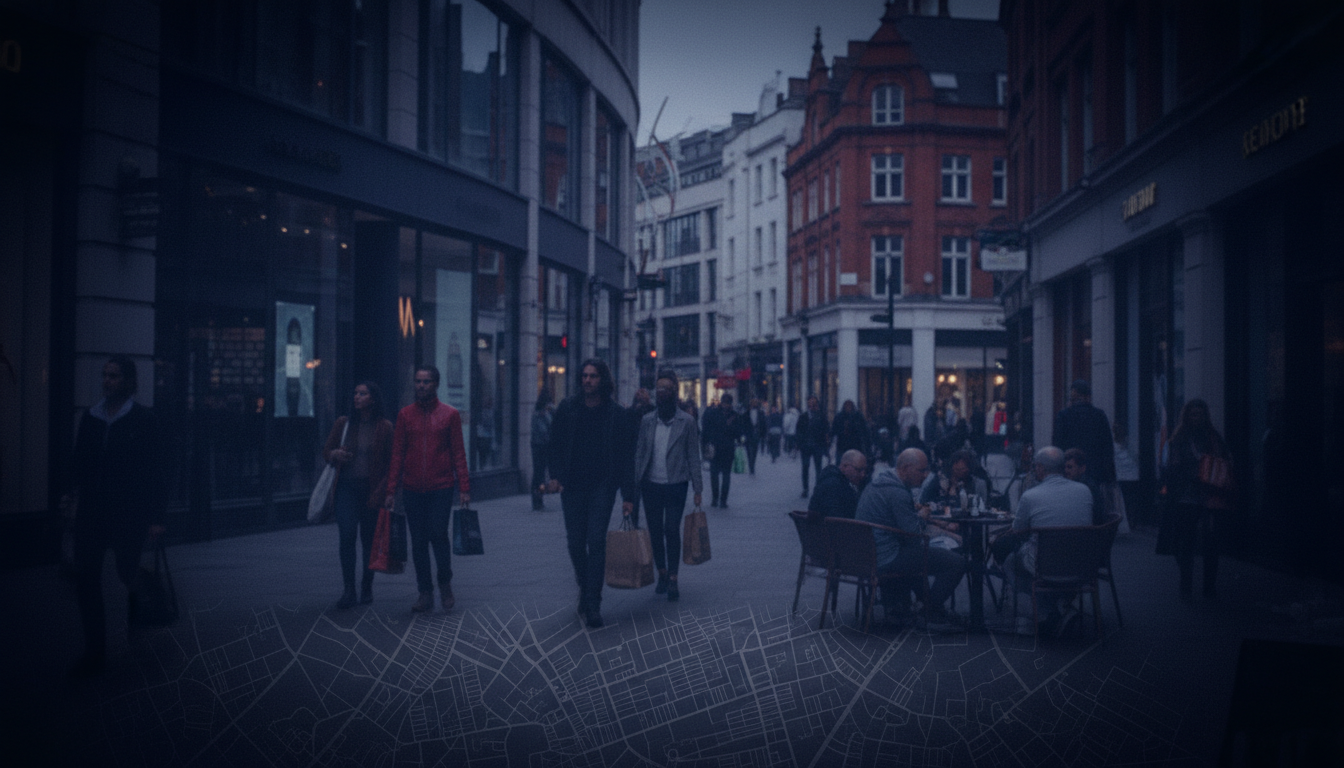
Carnaby Street W1F sits in the heart of London's West End, a pedestrian-oriented corridor that blends flagship retail, independent labels, and design-led concepts into a curated streetscape. Its mix of luxury flagship stores and boutique spaces attracts a diverse foot traffic of shoppers, tourists, and local workers who move through the street across dayparts. For someone considering opening or running a business here, the location offers branding potential, experiential formats, and compact floor space that reward creativity and collaboration. This street-level experience fits within a broader context of dynamic retail activity, as detailed in Soho W1F Retail Market Overview and Investment Insights in London. Understanding how this high-activity environment performs—from daytime movement to evenings and weekend bursts—helps frame what a concept might need to succeed.
Like other premium retail strips, the commercial dynamic here depends on pace, permeability, and the ability to adapt to evolving patterns of demand. The surrounding area, transport links, and anchor presence shape occupancy decisions, rental conditions, and the investment outlook without dictating a single path. Read on to gauge the challenges and opportunities that come with a high-profile, curated location and how those factors translate into real-world space decisions.
Demographic
Typical customers
Carnaby Street attracts style-conscious shoppers, design enthusiasts, tourists, and local office workers. Daytime visitors browse flagship stores and independent boutiques, then linger for coffee or a meal. Evenings draw a vibrant crowd seeking dining and social experiences in a compact, curated setting.
Age and income
The street appeals to a mix of young professionals, affluent visitors, and culture-minded travellers. Higher disposable incomes are evident among shoppers who seek premium brands and experiential concepts, paired with sustainable, design-led retail.
Purpose of visits
People come to shop and sample dining options, then explore galleries and design stores. Visitors may combine a culture trip with a flagship purchase, or drop in for a special event or limited-edition collaboration.
Temporal patterns
Weekdays show steady daytime foot traffic as professionals pass through, while weekends peak with tourists and locals enjoying pop-ups and outdoor spaces. Evenings are robust, helped by a strong dining and bar scene and the pedestrian-friendly regeneration of nearby districts.
Local vs travel-in
Demand blends local catchment with travel-in foot traffic from the West End and Oxford Street area. Tourists contribute to weekend spikes, while commuters from nearby offices sustain daytime activity.
Implications for businesses
The profile supports premium retail, experiential boutiques, and high-quality cafés. Flexible leases and smaller units tend to perform well, enabling brand collaborations and pop-ups that keep the street dynamic and aligned with demand for unique experiences.
Description
Overall commercial character
Carnaby Street, within City of Westminster, benefits from prime foot traffic and a carefully curated luxury retail mix. The street combines flagship boutiques with independent labels, complemented by a strong evening economy and excellent connectivity to the wider West End. This positioning supports boutique flagships and experiential concepts that perform well on narrow, high-pedestrian streets, where collaborations and limited-run formats often prevail over large-format mass retail.
Transport and accessibility
- Piccadilly Circus Underground Station (Bakerloo, Piccadilly) – 363 m / 5 min walk
- Oxford Circus Underground Station (Bakerloo, Central, Victoria) – 449 m / 6 min walk
- Green Park Underground Station (Jubilee, Piccadilly, Victoria) – 653 m / 8 min walk
- Tottenham Court Road Elizabeth Line – 666 m / 8 min walk
- Leicester Square Underground Station (Northern, Piccadilly) – 667 m / 8 min walk
- Bond Street Elizabeth Line – 674 m / 8 min walk
- Tottenham Court Road Underground Station (Central, Northern) – 720 m / 9 min walk
Key local anchors
Hamleys (flagship retail, 96 m) – Major flagship retail store draws families and shoppers, sustaining foot traffic and acting as a landmark for the corridor.
Liberty London (flagship retail, 142 m) – A renowned destination that anchors premium fashion and design, lifting visitor draw through curated departments.
Burberry (flagship retail, 263 m) – A prominent flagship that signals luxury credentials and attracts both locals and visitors seeking brand storytelling.
Apple Store (flagship retail, 287 m) – A technology-led anchor that brings consistent foot traffic and longer dwell times around flagship events and launches.
Louis Vuitton (flagship retail, 357 m) – A magnet for premium shoppers, reinforcing Carnaby Street’s luxury appeal and social media visibility.
Chanel (flagship retail, 393 m) – A destination for luxury fashion, driving aspirational traffic and collaboration opportunities nearby.
Dior (flagship retail, 394 m) – A high-profile luxury flagmaster, contributing to the street’s premium atmosphere and experiential retail.
Versace (flagship retail, 394 m) – Adds heat to the luxury cluster, encouraging cross-store browsing and social shared experiences.
Gucci (flagship retail, 397 m) – Supports a cohesive luxury cluster, helping to attract international visitors and fashion-forward locals.
Mix of businesses
The street hosts a mix of luxury flagships, specialist boutiques, stylish cafés, and dining-led concepts. This mix is evolving toward experiential retail and boutique formats that encourage short, frequent visits, brand collaborations, and limited-run pop-ups that keep the street dynamic and relevant.
Trading patterns
Trading rhythms align with prime foot traffic during the day and a notably strong evening economy. The pedestrianised feel of nearby Oxford Street and regeneration in Soho concentrate evening budgets on dining, drinks, and experiential retail, sustaining steady demand for compact, high-impact spaces.
Why flexible formats work
Smaller, flexible units allow brands to test concepts, collaborate on pop-ups, and run flagship-driven layouts without long-term commitments. Experience-led formats and temporary showcases attract both loyal customers and curious visitors, translating into reliable foot traffic and adaptable rental demand.
Rental market conditions
Demand leans toward adaptable spaces with clear brand storytelling. Typical units favour compact floor space that supports immersive experiences. Lease terms trend toward flexibility, with landlords preferring tenants that can animate the street through collaborations and periodic flagship moments, balancing occupancy with rising expectations of quality and turnover.
A shifting retail pattern
Premium experiential anchors and local regeneration are reshaping space needs and landlord preferences. Smaller flagship-driven layouts and collaborative spaces support capital growth and diversified tenant demand, while owners seek vibrant occupancy that sustains long-term values and consistent foot traffic.
Nearby notable places
What This Means for Businesses
Carnaby Street in Soho, City of Westminster, benefits from steady foot traffic and an active evening economy driven by dining and experiential concepts. The mix of luxury flagships, specialist boutiques, stylish cafés, and design-led spaces supports strong engagement, with flexible units well suited to pop-ups and collaborations. The street’s appeal to locals, office workers, and visitors sustains daytime activity and lasting dwell times around flagship launches. Central transport links keep the location well connected to the West End and central London.
Looking ahead, rental yields and investment outlook will hinge on how space is activated—through flexible formats and brand-led storytelling that sustain foot traffic into the evenings. For property owners, balancing occupancy with high-quality, collaborative spaces helps preserve the street’s premium atmosphere. For prospective tenants, the evolving mix and event-driven activity offer opportunities to test concepts in smaller units. If market conditions support it, enquiring about available units could sit well with flagship moments and pop-ups.