
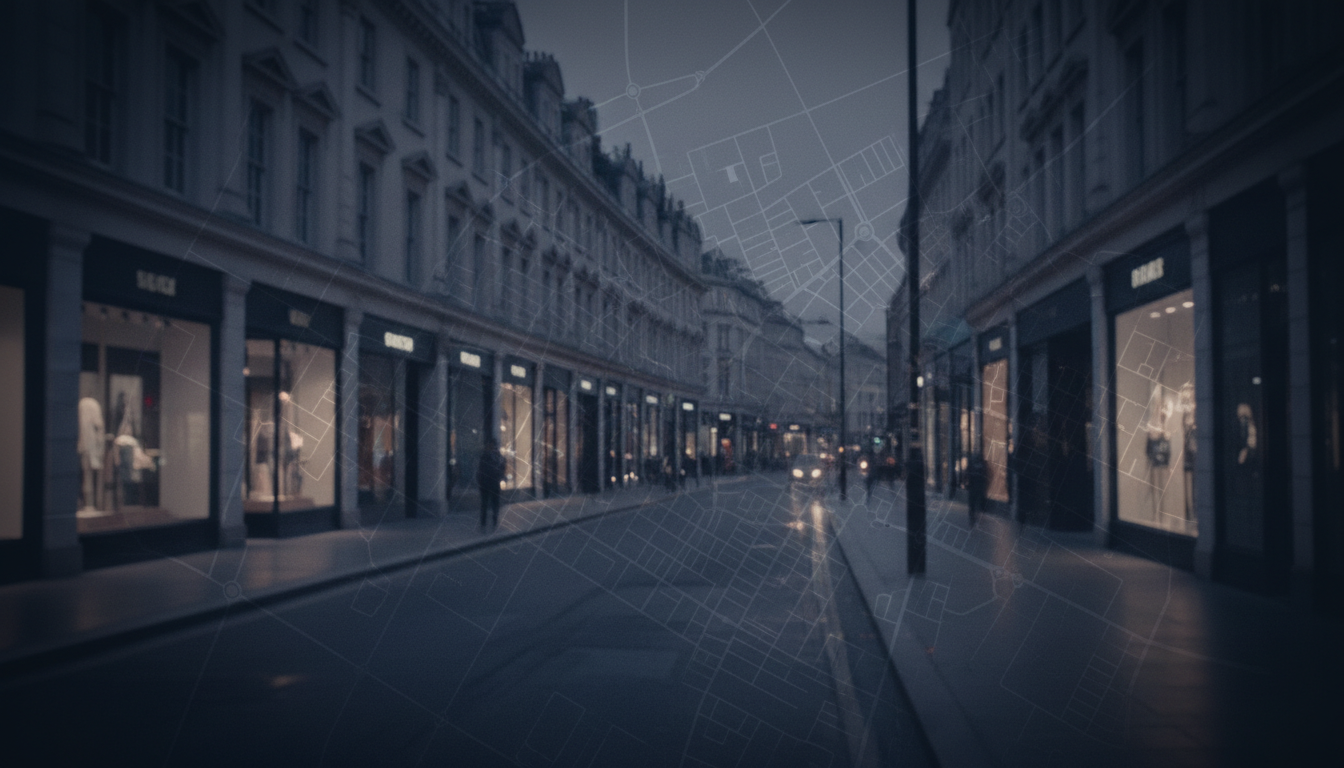

Wigmore Street
Marylebone
Wigmore Street W1G sits at the heart of Marylebone’s refined retail spine, a short walk from Bond Street and the city’s principal transit routes. It balances flagship retail with everyday services, attracting steady foot traffic from a well-connected surrounding area and benefiting from nearby anchors that shape daytime and evening activity. This street’s character blends premium service with accessible formats, creating a stage where brands can engage sophisticated shoppers and visitors alike. This street sits within the wider commercial landscape covered in Marylebone W1G Retail Market Overview and Key Investment Insights.
For business owners evaluating space here, the location signals a durable pull from a high-quality surrounding area while inviting experimentation in format and size. Demand is shaped by both local residents and travel-in visitors, supporting flexible concepts, pop-ups and multi-brand ideas that can adapt as consumer tastes evolve and brand visibility changes throughout the year.
With this context in mind, readers will weigh how transport access, proximity to anchors, and the street’s premium yet accessible identity influence space requirements, lease considerations, and timing for openings. The guide offers a practical market view to help compare options and think through the opportunities and constraints of Wigmore Street.
Demographic
Typical customers
Wigmore Street attracts a steady stream of shoppers, professionals and visitors drawn to a refined mix of flagship brands and everyday services. The presence of major anchors nearby creates frequent daytime visits for wardrobe refreshes, beauty appointments and casual dining, with foot traffic flowing between luxury showcases and convenient cafés. The street functions as a bridge between high-end retail and practical daily needs, supporting brands that balance premium service with approachable accessibility.
Age and income
Visitors tend to be economically established, combining design-conscious professionals with more mature, quality-focused shoppers. The profile supports a blend of premium concepts and premium-but-accessible formats, where experience and service matter as much as price. This demands adaptable floor space that can host evolving ideas over time without a heavy commitment.
Purpose of visits
People come here to browse flagship fashion and luxury brands, enjoy a coffee or a meal, and connect with the surrounding retail circuit. The draw of anchors such as Selfridges, John Lewis and other major names makes spontaneous purchases common, while guests often pair a brand-led shopping trip with a short cultural or dining outing. Visitors frequently combine a premium shopping mission with a quick refreshment break or an evening treat nearby.
Temporal patterns
Weekdays feature steady daytime movement, with a noticeable uptick around lunch and late afternoon. Evenings sustain a strong dining and social economy, and weekends bring extended shopping hours and more casual visits from both local residents and international visitors. The rhythm is predictable but flexible, accommodating both steady trading and occasional spikes during events or sales periods.
Local vs travel-in demand
Demand is a balance of local residents and travel-in shoppers who value the street’s curated mix of flagship and mainstream retailers. Flagship spaces anchor regular foot traffic, while dining and services convert occasional visits into ongoing engagement. This mix supports steady occupancy and resilient activity, even when broader retail conditions shift seasonally.
What this means
For business owners, Wigmore Street offers a refined stage for premium brands alongside accessible concepts, with foot traffic that supports daily operations and weekend peaks. The leasing environment benefits from flexible formats that can respond to changing consumer moods and flagship-led flows, while rental demand remains buoyed by the street’s established prestige.
An Emerging Trend
Pedestrian movement along the wider shopping axis is creating spillover opportunities for smaller, experiential formats. In this context, compact concepts and pop-ups can test new ideas quickly, leveraging the strong brand pull and high-end catchment without long leases.
Description
Overall commercial character
Wigmore Street presents a high-quality retail spine within Marylebone, City of Westminster, characterised by prime foot traffic and a balanced mix of luxury and mainstream retail. Flagship stores and major anchors drive draw, while a thoughtful blend of independent operators and cafés supports daily life. The street benefits from strong evening activity and excellent connectivity, reinforcing its appeal as a curated destination for shoppers and visitors alike.
Transport and accessibility
- Bond Street Underground Station (Central, Jubilee) – 195 m / 2 min walk
- Bond Street Elizabeth Line (Elizabeth Line) – 264 m / 3 min walk
- Oxford Circus Underground Station (Bakerloo, Central, Victoria) – 499 m / 6 min walk
- Marble Arch Underground Station (Central) – 747 m / 9 min walk
Key local anchors
Selfridges (flagship retail, 314 m) – Major flagship retail store draws high-volume foot traffic and anchors the western end of the street.
John Lewis (flagship retail, 284 m) – Major flagship retail store provides a central magnet for shoppers and cross-store referrals.
Apple Store (flagship retail, 533 m) – Major flagship retail store reinforces the street’s tech-forward and design-led credentials.
IKEA (flagship retail, 537 m) – Major flagship retail store broadens the catchment with family visitors and practical purchases.
Versace (flagship retail, 560 m) – Major flagship retail store elevates the fashion profile and sustains premium foot traffic.
Gucci (flagship retail, 647 m) – Major flagship retail store anchors luxury draws and selective visits from across the city.
Liberty London (flagship retail, 683 m) – Major flagship retail store anchors creative and design-led shopping with international appeal.
Burberry (flagship retail, 721 m) – Major flagship retail store strengthens the street’s prestige and premium shopper engagement.
Mix of businesses
The street hosts a genuine mix of shops, cafés, restaurants, and service spaces, underscored by an elevated retail environment. Visitors respond well to a combination of strong brand presence, approachable dining options and practical services. Smaller, well-curated stores and beauty concepts sit comfortably alongside the flagship icons, creating a cohesive, experience-driven offer.
Trading patterns and foot traffic
Trading rhythms align with premium shopping cycles and dining peaks. Midday and late afternoon see steady foot traffic, with evenings strengthening around restaurant clusters and cultural draws. The pedestrianisation spillover from the surrounding area can shift flows, sustaining activity into the shoulder hours and supporting flexible formats that respond to changing patterns.
Why flexible units work
Smaller, adaptable units perform well here because the audience is brand-aware but receptive to new ideas. Experiential spaces, pop-ups, and multi-brand showrooms benefit from the street’s prestige without demanding long-term commitments, while larger, traditional units remain attractive for flagship tenants.
Rental market conditions
Unit sizes vary, with demand shaped by the prestige of the street and the nearby anchors. Lease terms tend to favour flexibility, allowing occupiers to test formats and curate guest experiences. Vacancy fluctuates with seasonality and store openings, but the overall market remains buoyant due to strong demand from both household names and innovative concepts.
Opportunity for formats
The hidden dynamics of pedestrian-friendly improvements suggest landlords can maximise value by offering short-to-medium-term spaces for pop-ups, multi-brand formats and curated beauty or concept stores. This approach can stabilise income, diversify tenant demand and keep Wigmore Street at the forefront of London’s evolving retail landscape.
Nearby notable places
- Selfridges — 314 m
- John Lewis — 284 m
- Apple Store — 533 m
- Liberty London — 683 m
- Burberry — 721 m
What This Means for Businesses
For business owners, Wigmore Street provides a refined stage with a balanced mix of businesses, shops, cafés and services beside flagship retail. Steady daytime foot traffic and strong evening dining activity are supported by excellent connectivity to Bond Street and Oxford Circus, with the Elizabeth Line boosting cross-town convenience. The prestige of the street underpins flexible floor space approaches, enabling evolving concepts and shorter leases that can adapt to shifting moods and peak periods, keeping occupier interest resilient even as market conditions shift.
Small, experience-driven formats and pop-ups can perform here, leveraging the street’s brand pull without long commitments, while larger units remain attractive for flagship concepts. For property owners, this balance helps sustain occupancy and diversified tenant demand, with rental yields supported by the mix of premium and accessible experiences. If you’re exploring options, it may be worth enquiring about available units to test ideas and integrate into Wigmore Street’s destination-driven environment near Selfridges, John Lewis and Liberty London.