
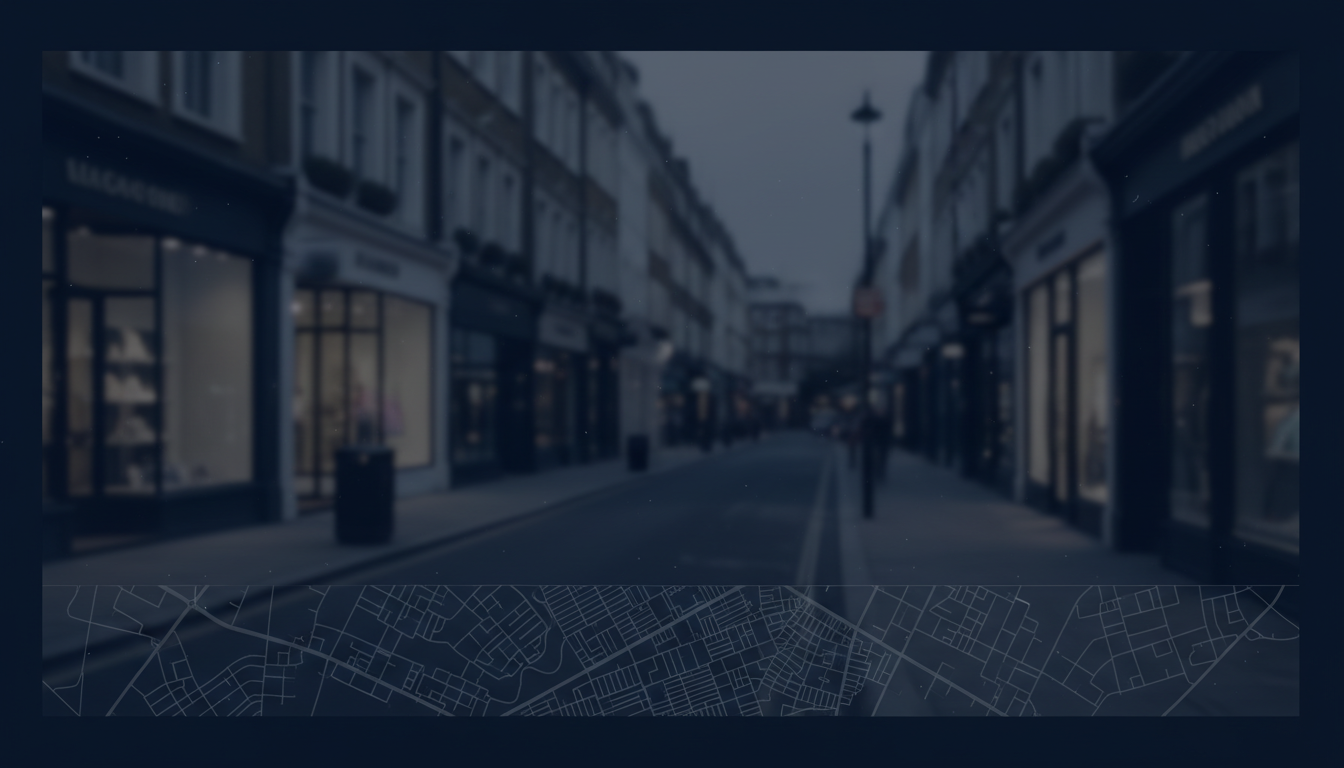


Westbourne Grove
Notting Hill
Westbourne Grove sits in the Notting Hill area, a stylish, compact high-street where boutique fashion sits beside casual dining and wellness concepts. The street blends premium labels with everyday services, supported by a steady rhythm of foot traffic and easy access from Notting Hill Gate, Bayswater and Queensway. The surrounding regeneration and a nearby cinema contribute to a balanced daytime and evening flow that sustains a diverse mix of shoppers and visitors. This street sits within the wider commercial landscape covered in Notting Hill W11 Retail Market Overview and Investment Insights.
For anyone considering opening or running a business here, the location matters because space needs and lease terms interact with this blend of anchor brands, independents and experiential concepts. Demand is shaped by a local resident population, tourist foot traffic and the pull of the West End, while rental yields and investment outlook reflect a premium-to-accessible mix. The practical choice is often a unit that can flex or host pop-ups without sacrificing visibility.
The briefing helps tenants and business owners weigh space needs, lease structures, and the rhythm of day and evening foot traffic against the street’s premium-to-accessible mix. It also hints at how local transport links, anchor brands and nearby regeneration shape tenancy demand and the potential for flexible concepts, pop-up pilots or longer-term commitments. Readers are invited to consider how such dynamics align with their brand, budget and growth plans as they explore Westbourne Grove.
Demographic
Customer profile
Westbourne Grove serves a local resident mix of families and professionals who shop, dine and stroll with a sense of style. The street also draws visitors from the surrounding area who come for boutique fashion, café culture and easy services, often pairing a fashion outing with a meal or a cinema visit. The spillover from flagship brands and West End foot traffic has heightened interest in curated experiential formats and flexible spaces that can host pop-ups or short-term concepts.
Age and income
Age cohorts are diverse, spanning young professionals, growing families and international visitors who allocate budget for quality experiences. The surrounding area shows a lifestyle emphasis and a willingness to spend on well-curated fashion, cafés, wellness and premium everyday brands. This mix supports a demand profile that blends aspirational labels with accessible mid-market offers.
Purpose of visits
Visitors come to Westbourne Grove to browse flagship stores and enjoy coffee and casual dining, then stroll toward Notting Hill’s culture or a local cinema. They may pick up a special item from premium retailers before lingering over a bite to eat and a short walk to a nearby gallery or theatre. Noting the anchor stores along the street helps explain the rhythm of a shopping day here.
Temporal patterns
Weekdays bring steady daytime foot traffic as locals run errands and professionals pop out for a midday coffee, while evenings focus on dining and socialising. Weekends peak with families and visitors exploring Notting Hill, stretching into the early evening when the area remains lively but with a more relaxed pace than the West End. The surrounding area enjoys a consistent mix of daytime utility and evening culture that sustains longer opening hours for a subset of independents.
Origin of demand
Demand originates predominantly from the surrounding area, with travel-in from central London and tourist footfall that swells around peak shopping and dining periods. Proximity to Notting Hill Gate and the broader Notting Hill circuit helps maintain a steady stream of curious shoppers and day-trippers seeking that combined shopping and leisure experience. This dual-source demand supports a broad mix of retailers and service-led concepts.
Implications for businesses
The profile suggests resilience for a mix of small boutiques, cafés, wellness offerings and experiential formats, with space that can adapt to flexible leasing. A street with both premium and mainstream appeal benefits from a diverse foot traffic and a willingness to try new concepts, which informs rental demand that naturally flows toward well-positioned, flexible units.
Description
Commercial character
Notting Hill — City of Westminster forms a stylish, compact high-street where boutique fashion sits beside casual dining and wellness concepts. Westbourne Grove blends luxury labels with accessible brands and independent cafés, creating a human-scale street life that sustains daily foot traffic and evening dining. The area’s identity as a fashion and food destination supports durable demand for well-presented spaces and clear retail storytelling.
Transport and accessibility
- Notting Hill Gate Underground Station (Central, Circle, District) – 546 m / 7 min walk
- Bayswater Underground Station (Circle, District) – 656 m / 8 min walk
- Queensway Underground Station (Central) – 796 m / 10 min walk
Key local anchors
Space NK (retail, 159 m) – Major flagship retail store drawing premium foot traffic through the street and reinforcing Westbourne Grove as a premium shopping corridor.
Jigsaw (retail, 190 m) – Flagship presence that anchors mid-to-upscale fashion and sustains walk-by foot traffic for adjacent cafés and concept stores.
AllSaints (retail, 459 m) – Major flagship retail store contributing to a fashion-forward mood and attracting visitors who combine shopping with dining.
Appletree Boutique (retail, 462 m) – Independent label that adds variety and encourages longer dwell time for fashion-focused shoppers.
Bodyism (health club, 278 m) – Premium health club drawing wellbeing-conscious visitors and spreading foot traffic beyond peak retail hours.
Flying Tiger Copenhagen (retail, 587 m) – High-volume, affordable novelty retailer that brings steady passers-by and casual shoppers into the street.
Poundland (retail, 596 m) – Value option that broadens the street’s mix and attracts a diverse audience seeking quick, practical purchases.
Picturehouse Cinemas (theatre, 679 m) – High-footfall entertainment venue that sustains evening and weekend flows and encourages after-work dining.
Boots (retail, 630 m) – Major flagship retailer that anchors health, beauty and everyday convenience for locals and visitors alike.
Mix of businesses
The street hosts a balanced mix of luxury fashion, mainstream brands, cafés, restaurants and service-led spaces. Luxury and mainstream elements sit side by side, shaping expectations for quality, design and customer service. This blend supports a steady rhythm of foot traffic across different times of day, with independent operators benefiting from the on-street cross-traffic between flagship stores and everyday essentials.
Trading patterns
Trading rhythms reflect a shopping-day pattern: morning coffee and strolls give way to lunchtime activity, then evening dining and late visitors for entertainment. The presence of a high-footfall cinema and premium retailers helps sustain longer dwell times, while smaller, flexible spaces perform best when they can host pop-ups or short-run concepts to capture changing tastes.
Experience-led space benefits
Smaller, flexible or experience-led units perform well as brands test concepts, curate events and experiment with retail formats. The ability to stage in-store experiences, intimate pop-ups and temporary showrooms aligns with the street’s premium-to-accessible mix and the inevitable appetite for experiential retail among both locals and visitors.
Rental market and availability
Market dynamics favour well-located, adaptable units, with lease terms that accommodate pop-ups and mid-length pilots. Space tends to cluster in compact formats that suit boutique fashion, wellness and café concepts, while operators look for scales that balance visibility with personalisation. For property management, a steady stream of tenancy inquiries often focuses on flexible terms, design-led units and efficient layouts.
A shifting pattern
A non-obvious shift stems from spillover demand driven by premium brands along the West End and related foot traffic, feeding into curated formats on Westbourne Grove. Nearby regeneration supports premium tenancy by expanding the pool of brand-conscious visitors, while flexible leases and experience-led concepts align with the investment outlook and capital growth potential in this part of Notting Hill.
What This Means for Businesses
Westbourne Grove supports a resilient customer base of families and professionals, with visitors drawn by boutique fashion, cafés and the area’s culture. The street benefits from a balanced mix of luxury labels and accessible brands, plus wellness and experiential concepts that encourage longer dwell times. Flexible, well-designed spaces that can host pop-ups or short-run concepts perform well as tastes evolve and new concepts arrive. Accessibility is a plus: Notting Hill Gate, Bayswater and Queensway stations are within easy reach, helping staff and shoppers navigate the area and sustain steady foot traffic.
A shifting pattern shows spillover demand from flagship West End brands into curated spaces here, supporting an investment outlook that favours adaptable units and pilots. For property owners, this translates into a willingness to offer flexible leases and design-led spaces that respond to changing tastes. If you’re considering space on Westbourne Grove, you may wish to enquire about available units to gauge how market conditions align with your concept.