
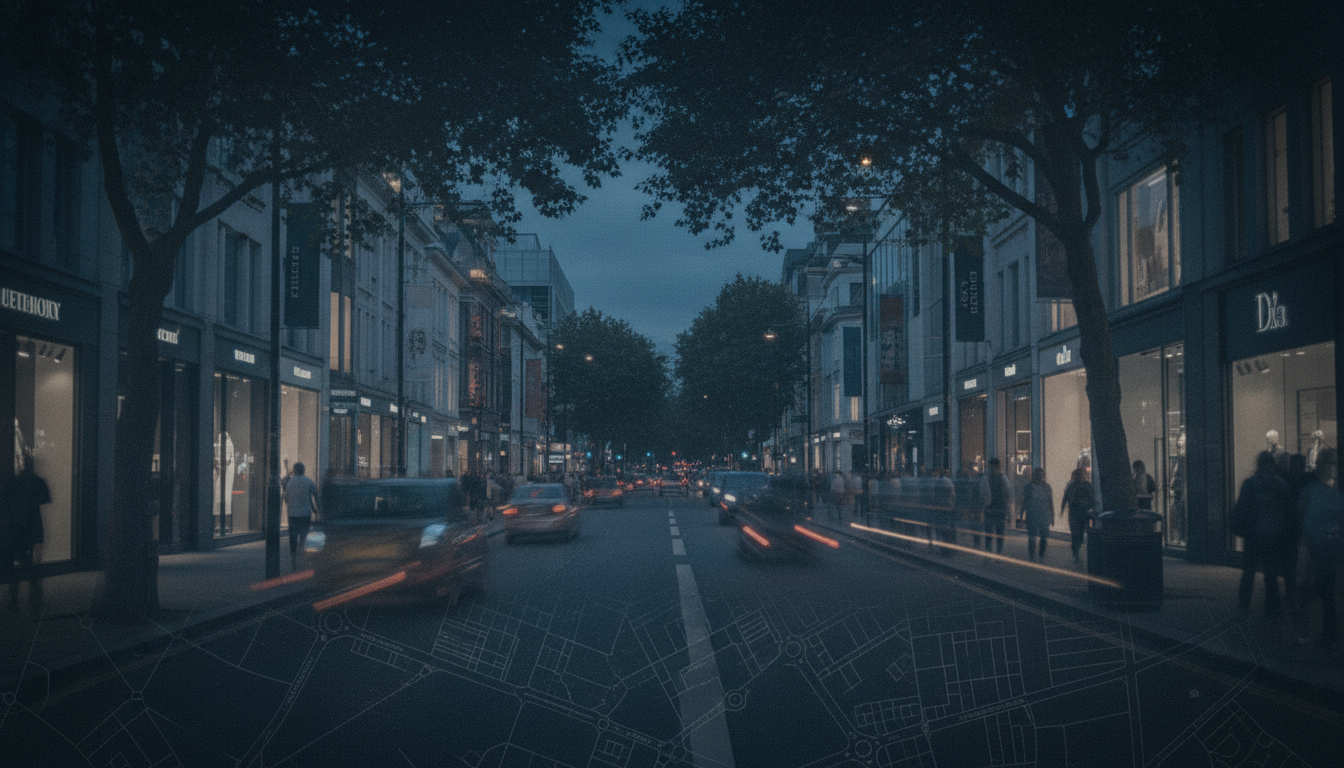

Shepherd's Bush Green
Shepherd's Bush
Shepherd's Bush Green sits at the heart of a dense West London retail corridor, where flagship brands sit alongside mid-market stores and a lively dining and leisure offer. The street benefits from strong foot traffic, a walkable spine connecting residents, workers and visitors, and a regeneration‑driven energy that keeps the area dynamic. This street sits within the wider commercial landscape covered in Shepherd's Bush W12 Retail Market Overview and Investment Insights. For anyone considering opening or running a business here, the location offers high visibility and a platform for experimenting with formats that blend product, service and atmosphere. The surrounding area supports a mix of premium anchors and everyday retailers, shaping shopper patterns and the space needs of different concepts. These dynamics invite careful planning around size, duration and flexibility.
Space here is traded with flexibility in mind—shorter leases and tiered rents can help test ideas without long commitments, while adaptable layouts support pop-ups, showrooms and experience‑led concepts. The presence of flagship stores sustains foot traffic and cross-shopping, yet vacancy risk can rise if formats fail to connect with the local and visiting audience. For business owners and tenants, understanding transport links, peak trading hours and the spillover from regeneration‑driven flows is essential to forecast demand and cash flow. The market conditions also carry an important signal for investors, where rental yields and tenant demand interact with the evolving mix of brands and experiences near White City.
Ultimately, the opportunity here rests on balancing visibility, flexibility and cost to sustain a growing business amid changing shopper flows and an active evening economy. For landlords and operators alike, the question is how a space, lease terms and a concept’s testing phase align with longer‑term goals in this dynamic stretch of London retail.
Demographic
Customer profile
Shepherd's Bush Green attracts a steady stream of local residents, premium shoppers and visitors drawn to a vibrant hub of flagship stores nearby. The street sits within the commercial retail real estate Shepherd's Bush Green, where flagship brands sit alongside mid-market retailers and experiential pop-ups. The environment rewards concepts that test ideas quickly, inviting trial visits from a broad audience and creating a dynamic foot traffic pattern that supports a mix of shops, cafés and services. This context makes mid-market, experience-led ideas a practical fit, as tenants often experiment with formats before committing to longer leases.
Age and income
Visitors span professionals, fashion-conscious urbanites and a diverse mix of residents who budget for luxury while also seeking value in the mid-market tier. The surrounding area supports a broad age range, with discretionary spend oriented toward premium labels and lifestyle experiences, reinforced by a strong evening economy. This composition suggests that newer concepts tend to attract early-adopter segments, while mainstream demand stabilises as concepts prove their appeal over time.
Purpose of visits
People come to shop flagship labels and enjoy dining and leisure around the Green, often weaving visits to stores such as Louis Vuitton or Apple Store into a longer outing. The street functions as a walkable retail spine where shoppers browse, linger over experiences, and then explore complementary brands nearby. Dining and social moments frequently accompany browsing, reinforcing the appeal of high-visibility concepts in this area.
Temporal patterns
Weekdays see steady daytime flow with a lift in the early evenings as workers and residents converge for dining and socialising. Weekends bring higher foot traffic, with shoppers lingering longer and exploring a wider range of stores. The strong evening economy supports retail formats that can extend hours or host events, and this rhythm benefits short-term leases and pop-ups seeking peak periods after work or on weekends.
Local versus travel-in
Demand is anchored by a robust surrounding area but also benefits from travel-in visitors drawn by luxury labels and flagship stores. Connectivity makes commuting straightforward, and the presence of major brands helps attract visitors from across the capital, providing a supportive base for new formats from day one. Travel-in customers can help sustain experimental concepts that rely on early buzz and social sharing.
Implications for businesses
The profile points to a mix of premium experiences alongside mid-market offers, with appetite for flexible spaces that can host pop-ups or concept stores. The calibre of flagship anchors supports foot traffic and cross-shopping, while demand for adaptable unit sizes remains. For landlords and tenants, the environment suggests resilient occupancy potential and opportunities to test formats that balance cost with trial-driven growth.
Description
Commercial character
Shepherd's Bush Green presents a Greater London-classic of premium and mid-market retail, built on prime foot traffic and a luxury retail mix that sits alongside everyday convenience and dining. The overall tone is upscale yet approachable, with a strong evening economy and good connectivity underpinning diverse store formats. Flagship names sit alongside smaller specialist retailers, creating a dynamic mix that supports experimentation and cross-pollination between concepts. A strategic takeaway is that tiered rents and shorter leases can encourage experimental tenants to test ideas without long commitments, aligning with regeneration-driven shifts in shopper flows from nearby White City.
Transport and accessibility
- Shepherd's Bush (Central) Underground Station (Central) – 225 m / 3 min walk
- Shepherds Bush Rail Station Overground (Mildmay, Southern) – 333 m / 4 min walk
- Shepherd's Bush Market Underground Station (Circle, Hammersmith & City) – 350 m / 4 min walk
- Goldhawk Road Underground Station (Circle, Hammersmith & City) – 395 m / 5 min walk
- Wood Lane Underground Station (Circle, Hammersmith & City) – 655 m / 8 min walk
Key local anchors
Louis Vuitton (flagship retail, 344 m) – Major flagship retail store draws high-spending shoppers and generates foot traffic for the area.
Prada (flagship retail, 355 m) – A key anchor that sustains a premium shopper flow and encourages cross-shopping in nearby streets.
Tiffany & Company (flagship retail, 355 m) – Draws aspirational buyers and reinforces the luxury cluster around the Green.
Rolex (flagship retail, 363 m) – A magnet for watch enthusiasts and gift buyers, boosting dwell time and brand-led traffic.
Gucci (flagship retail, 371 m) – Another pinnacle label that helps anchor a luxury route through the area.
Apple Store (flagship retail, 399 m) – Pulls a broad audience, pairing technology and lifestyle with higher-value shopping.
Waterstones (flagship retail, 519 m) – A cultural anchor that supports longer visits and cross-purchasing with adjoining cafés and toys.
Hamleys (flagship retail, 558 m) – A renowned family draw that sustains foot traffic across multiple retailers and leisure uses.
Mix of businesses
The street supports a balanced mix of luxury flagship retail, premium dining and mid-market shops, complemented by experiential spaces and casual services. Flagship stores anchor the route, while smaller retailers, specialist stores and cafés fill in the gaps, creating opportunities for experience-led formats and collaboration between tenants of varying sizes. This dynamic reduces pressure on any single unit type and favours flexible layouts that can accommodate pop-ups and seasonal events.
Trading patterns
Trading rhythms are shaped by the centrality of the Green within a dense retail belt and by regeneration-led shopper movements from White City. Peak periods cluster around evenings and weekends when dining and leisure take precedence, with daytime foot traffic sustained by residents and workers. The evolving flow supports a strategy of flexible spaces that can respond to shifting demand without long commitments.
Flexible and experience units
Smaller, flexible or experience-led units perform well here because shoppers respond to novelty and curated concepts. Shorter leases reduce risk while tiered rents enable brands to test ideas and scale up if they prove popular, particularly during high-foot-traffic spells after work or on weekends. This approach aligns with a broader trend toward experiential retail that blends product, service and atmosphere.
Rental market and availability
Typical unit sizes and lease lengths favour versatility over rigidity, with demand strongest for adaptable spaces that can host pop-ups, showrooms or concept spaces. The regeneration backdrop and evolving shopper patterns support a cautious but steady investment outlook, with rental yields supported by varied uses and resilient demand from both locals and visitors.
A shifting opportunity
A practical interpretation of the evolving market is that a shorter lease coupled with a tiered rent structure can lower barriers for experimental retailers, allowing concepts to launch with minimized upfront risk and seasonal adjustments. Over the next three to five years this approach could balance occupancy, encourage ongoing experimentation and help landlords manage vacancy risk while maintaining a lively, diverse streetscape that adapts to changing shopper flows.
What This Means for Businesses
Shepherd's Bush Green combines luxury flagship retail with mid-market shops, casual dining and experiential spaces, anchored by a network of iconic brands that draw foot traffic. For a new shop, café or concept store, the environment rewards trial concepts and collaboration, with shoppers moving between stores and experiences across the street. The rhythm leans into evenings and weekends, when dining and leisure extend visits; travel-in guests help sustain demand beyond core shopping hours. Flexible unit sizes and shorter leases are common, encouraging test-and-grow formats and pop-ups that align with shifting shopper preferences.
Proximity to transport links and anchors enhances accessibility for staff and customers, while the premium cluster supports cross-shopping and visibility. The mix of luxury and everyday retail supports resilient occupancy and measured growth as concepts prove themselves. If you’re assessing space here, consider how a flexible layout and tiered rent could fit your idea, and you may wish to enquire about available units to gauge market conditions.