
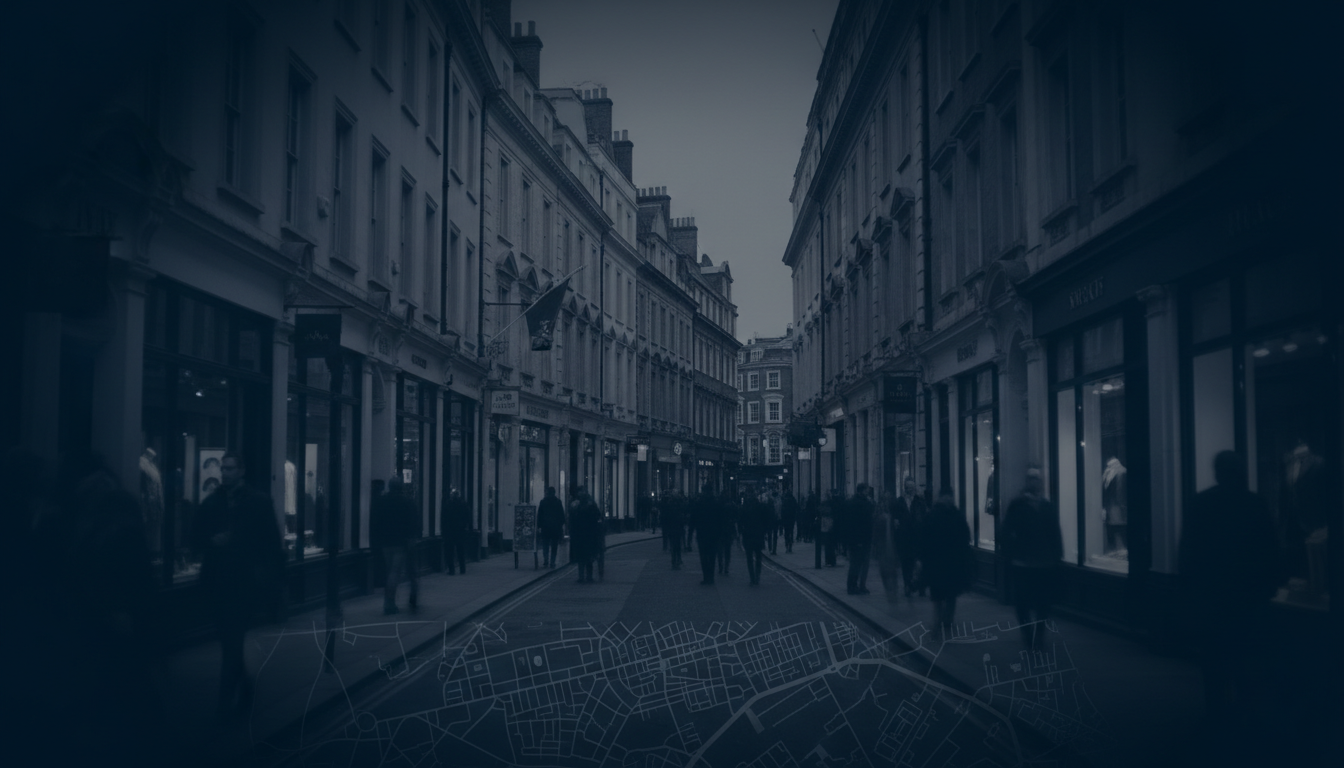

Savile Row
Mayfair
Savile Row W1J sits at the northern edge of Mayfair, London, where a refined street retail character meets a dense network of luxury services and premium hospitality. The street’s couture heritage and its proximity to a broader luxury cluster in Mayfair create a magnetic corridor for brands seeking a prestigious address and consistent foot traffic. This street sits within the wider commercial landscape covered in Mayfair W1J Retail Market Overview and Investment Insights. The surrounding area reinforces Savile Row’s identity, delivering a blend of high-end customers, professional services, and selective leisure options that support sustained activity at the street level. For tenants and business owners, the setting offers a tactful balance of brand presence, presentation standards, and the chance to align with a mature, affluent shopper itinerary.
For those weighing space and terms, practical questions arise about the type of floor space that works on a boutique or showroom footprint, lease expectations, and how the surrounding area shapes ongoing demand and rental conditions. The contextual picture here signals a market where luxury retail and bespoke services coexist with long-term brand presence, and where distance to major transport nodes complements a high-end retail rhythm. This backdrop helps frame both operating considerations and investment outlook as you evaluate Savile Row as a destination for a carefully curated retail concept.
Demographic
Typical customer and user profile
Savile Row attracts a global and local audience drawn to its luxury couture environment. Visitors include fashion-conscious shoppers, professionals seeking high-end services, and fashion tourists who come for the street’s iconic tailoring heritage and flagship stores. The street’s luxury identity—anchored by names seen along the row—drives a steady stream of discerning customers who combine shopping with appointments, hospitality, and couture consultations. The surrounding Mayfair ecosystem reinforces this, with luxury brands and premium service providers creating a seamless foot traffic corridor that supports the area’s prestige.
Age and income profile
The typical demographic skews toward adults with high discretionary income, including established professionals and luxury shoppers from a broad age range. The appeal comes from premium product propositions, bespoke tailoring experiences, and the aura of Mayfair, which attracts both mature buyers and younger luxury purchasers who are building wardrobes and stylistic identities. A climate of sustained wealth and aspirational buying power underpins demand for high-end shops and showrooms.
Purpose of visits
People visit Savile Row to browse couture and menswear, visit flagship stores, and arrange bespoke tailoring or consultations. They often combine shopping with a meal or coffee nearby, weaving the street into broader Mayfair shopping trips that feature other luxury brands and salons. The presence of renowned houses and tailors means visits frequently center on personal service, fittings, and presentation, with an emphasis on quality and craftsmanship.
Temporal patterns
Weekdays bring steady daytime foot traffic as professionals and shoppers move between showrooms and tailor appointments, while weekends see heightened fashion tourism and a stronger evening economy around dining and hospitality. Evenings remain active as visitors seek luxury experiences and after-work reservations, maintaining a continuous pulse that extends beyond traditional shopping hours.
Local vs travel-in demand
Demand arises from the surrounding area, with local residents and office workers sustaining daytime activity, complemented by travel-in visitors drawn by the Mayfair luxury cluster. International travellers and fashion tourists contribute seasonal peaks, reinforcing Savile Row’s role as a destination for premium retail and bespoke services.
What this demographic means for businesses here
For business owners, the client mix supports boutique fashion, bespoke tailoring, high-end services, and flagship occupants. Rental demand aligns with Savile Row’s premium position, favoring smaller, well-presented spaces that can accommodate showrooms, tailoring studios, or luxury cafés that benefit from constant foot traffic. The environment rewards brands that offer a high level of service, personalization, and hospitality, with tenancy opportunities often tied to long-term brand presence rather than quick turnover.
Description
Overall commercial character
Savile Row sits in Mayfair, City of Westminster, where prime foot traffic, luxury retail mix, a strong evening economy, and excellent connectivity shape a refined street character. The street is synonymous with luxury flagship stores and couture heritage, establishing a magnetic corridor for menswear, high-end services, and bespoke experiences. Its position near Mayfair and the West End creates a micro-cluster effect, where couture, tailored fashions, and premium hospitality reinforce enduring demand for boutique units and premium presentation. The surrounding area’s prestige supports longer tenancy terms and a steady stream of high-net-worth visitors, underpinning rental resilience for well-curated spaces.
Transport and accessibility
- Piccadilly Circus Underground Station (Bakerloo, Piccadilly) – 442 m / 6 min walk
- Oxford Circus Underground Station (Bakerloo, Central, Victoria) – 488 m / 6 min walk
- Green Park Underground Station (Jubilee, Piccadilly, Victoria) – 491 m / 6 min walk
- Bond Street Elizabeth Line (Elizabeth Line) – 596 m / 7 min walk
- Bond Street Underground Station (Central, Jubilee) – 767 m / 10 min walk
Key local anchors
Burberry (flagship retail, 137 m) – Major flagship retail store drawing discerning visitors and sustaining high foot traffic for nearby brands.
Louis Vuitton (flagship retail, 138 m) – A principal flagship that anchors the luxury axis and concentrates premium foot traffic around Savile Row.
Dior (flagship retail, 166 m) – A magnet for luxury shoppers, reinforcing the street’s couture identity and cross-pollination with tailors and high-end services.
Chanel (flagship retail, 171 m) – A draw for fashion tourism and premium appointments, adding to the dense luxury pedestrian flow.
Bulgari (flagship retail, 171 m) – A landmark store that strengthens the area’s luxury cluster and signals premium spend nearby.
Cartier (flagship retail, 188 m) – An anchor that sustains high-value foot traffic and complements adjoining couture offerings.
Hamleys (flagship retail, 198 m) – A high-profile retail draw that contributes to foot traffic dynamics, especially for families and visitors exploring luxury districts.
Tiffany & Company (flagship retail, 217 m) – A major drawcard for luxury visitors, underscoring Savile Row’s prestige and appeal to affluent shoppers.
Mix of businesses and types of shops/services
The street is dominated by bespoke tailoring houses and luxury fashion brands, complemented by high-end services, selective cafés, and small galleries. The combination of couture showrooms, flagship boutiques, and refined hospitality creates a seamless mix of shops and services that supports the area’s premium positioning. This mix underpins Savile Row’s role as a destination for high-margin brands seeking affiliated foot traffic and a refined retail environment.
Trading patterns and foot traffic
Foot traffic patterns reflect a fashion-forward itinerary: steady daytime flow driven by tailoring consultations and showroom visits, with peaks around fashion-conscious shopping periods and after-work leisure. Fashion tourism and brand-driven events push higher activity in the evenings, while the surrounding Mayfair ecosystem provides a continuous stream of visitors who augment trading across seasons and special occasions.
Why smaller, flexible or experience-led units perform well
Boutique and adaptable spaces perform well here because brands can curate bespoke experiences, host private fittings, or run limited pop-ups within compact footprints. The micro-cluster around couture and menswear, together with Mayfair’s luxury clusters, supports longer tenancy horizons for quality tenants while encouraging experimentation and concept-led ventures that resonate with affluent shoppers.
Rental market conditions and availability
Typical units are boutique in size, with lease terms reflecting the premium market and brand demand. Availability remains constrained by the street’s prestige, so spaces that offer high presentation standards, flexible layouts, and strong management cover tend to attract durable tenants. For tenants, this means prioritizing space that can support a premium retail narrative and personal service; for owners, the market rewards solid tenancy and well-maintained premises with clear brand alignment.
A shifting pattern
Savile Row is evolving toward a luxury-centric micro-cluster that prioritizes bespoke and experience-led tenants. This pattern tends to favour shorter-term experimentation initially, followed by longer commitments as brands establish their presence. The focus on couture, menswear, and high-end services supports a more stable demand profile and longer leases for established operators, while continuing to welcome innovative concepts that enhance the street’s premium appeal.
What This Means for Businesses
Savile Row’s luxury cluster in Mayfair, City of Westminster, creates a clear appeal for boutique fashion, bespoke tailoring, high-end services, and flagship experiences. This translates into demand for small, well-presented spaces that can host showrooms, tailoring studios, or refined cafés connected to personal appointments. Success hinges on exceptional service and presentation that match Mayfair’s prestige, given nearby flagship stores and their steady premium foot traffic. The street’s connectivity—near Piccadilly Circus, Oxford Circus, Green Park, and Bond Street stations—supports both local clients and fashion visitors seeking a coordinated experience.
Market conditions remain supportive of premium branding, with rental yields tied to luxury demand and Mayfair’s enduring appeal. Vacancy is typically tight, so spaces that offer flexible layouts and strong presentation attract durable tenants. For owners, well-managed spaces and a clear brand fit reinforce value as brands seek integrated experiences. If this aligns with your concept, you may wish to enquire about current availability to gauge fit with a premium retail narrative.