
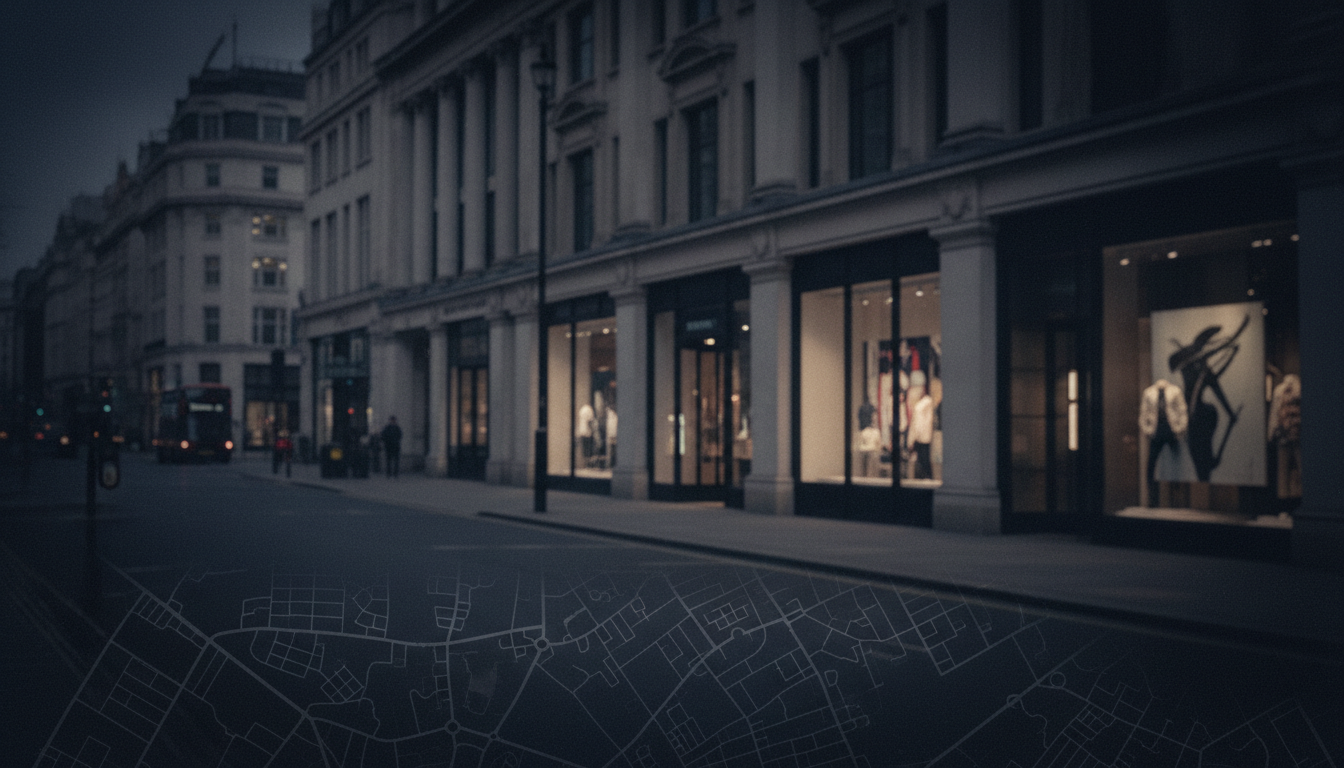

Piccadilly
Mayfair
Piccadilly W1A sits at the heart of London's West End, where luxury retail, dining and business activity converge. The street benefits from strong, constant foot traffic, excellent transport links, and a steady stream of international visitors alongside local professionals. This street sits within the wider commercial landscape covered in Mayfair W1A Retail Market Overview and Investment Insights. For tenants and business owners, the location offers a distinctive audience and branding potential anchored by flagship stores and immersive experiences that set the tone for a premium retail corridor.
Commercial opportunity here is defined by a tight mix of high-end brands, dining destinations and experiential formats. Balancing short-term campaigns with enduring storytelling, and accommodating flexible floor space for changing displays, are central considerations. The surrounding area supports a premium proposition, while rental yields and the investment outlook are influenced by tourism, theatre rhythms and confirmed demand for flagship concepts.
Readers will consider practical questions about available units, lease terms, fit-out expectations, and how visitor demand translates into performance. For landlords and investors, the narrative points to durable tenant demand and spaces that can adapt as Piccadilly’s rhythm evolves.
Demographic
Typical customer profile
Piccadilly attracts a highly selective mix of shoppers, professionals and visitors drawn to luxury brands and refined experiences. Morning rituals often hinge on signature stores and premium cafés, with Waterstones as a draw for daytime crowds and Fortnum & Mason anchoring high-spend journeys. International travellers blend with local professionals, creating a cosmopolitan cadence that rewards brands offering storytelling through design, service and product leadership. A strategic market observation is that the West End’s emphasis on pedestrian-friendly improvements fosters longer dwell times, nudging visitors toward immersive concepts rather than quick purchases. This dynamic rewards retailers who curate engaging brand journeys and flexible floor space that can accommodate showrooms or pop-up moments within a flagship framework.
Age and income profile
The street’s clientele spans a mix of younger professionals, well-travelled consumers and established shoppers with discretionary income. The presence of luxury flagship stores signals wealthier visitors who value premium service, curated product stories and a seamless shopping experience. Local workers contribute daytime spend, while international guests boost average transaction values. This profile supports medium-to-longer dwell times and responsiveness to elevated service standards and experiential retail formats.
Purpose of visits
Visitors come to Piccadilly to browse luxury brands, enjoy refined dining and access cultural and business hubs nearby. They may pause for a Fortnum & Mason tasting, a jewellery viewing at Cartier, or a coffee break before continuing to galleries or theatres. The street functions as a branding-led corridor where a luxury purchase often pairs with a related experience or showroom moment.
Temporal patterns
Weekdays feature steady daytime foot traffic driven by professionals and tourists; evenings see a stronger luxury dining and after-work shopping rhythm, with weekend peaks in both shopping and social activity. The cadence rewards operators who offer extended hours, experiential displays and social spaces that encourage linger and return visits.
Local vs travel-in demand
Demand is balanced but leans toward travel-in activity, supported by superb transport links and the West End’s global pull. Local office workers sustain daytime volumes, while international visitors and day-trippers contribute to evening and weekend foot traffic, creating a durable mix for retailers and service providers.
Implications for businesses
The demographic supports premium retail and service concepts that prioritise experience and brand storytelling. Short-term campaigns and pop-ups can test concepts, but lasting success hinges on formats that translate walk-by interest into meaningful engagement. The evolving pedestrian-friendly environment adds a strategic edge: longer dwell times and branded journeys are more achievable with flexible floor space that accommodates changing displays and immersive layouts.
Description
Overall commercial character
Piccadilly stands as a flagship luxury corridor within Mayfair, where heritage meets contemporary luxury retail and refined dining. The street’s prime foot traffic and luxury mix define its identity, with a premium emphasis on store frontage, interior design and service-led experiences. Demand for flagship spaces and immersive layouts remains evident, guiding landlords toward spaces that support elaborate store design and showpiece branding. For business owners evaluating commercial retail real estate Piccadilly W1A London, the area offers a strong branding platform and a clear continuum of high-spend visitors, supported by a positive investment outlook and sustained capital growth in the West End. The mix of businesses remains carefully curated toward fashion, jewellery and premium dining, with complementary services that cater to discerning visitors and professionals working nearby.
Key local anchors
Fortnum & Mason (flagship retail, 46 m) – Major flagship retail store that anchors high-spend visitor journeys and helps sustain luxury foot traffic along Piccadilly.
Chanel (flagship retail, 153 m) – Major flagship retail store appealing to high-net-worth visitors and reinforcing the street’s luxury profile.
Waterstones (flagship retail, 154 m) – Major flagship retail store that draws both tourists and local shoppers, supporting steady daytime activity.
Cartier (flagship retail, 178 m) – Major flagship retail store that attracts destination shoppers seeking premium jewellery and watches.
Prada (flagship retail, 190 m) – Major flagship retail store whose presence helps Piccadilly function as a flagship corridor for luxury brands.
Gucci (flagship retail, 198 m) – Major flagship retail store contributing to brand clustering and high-service retail demand.
Burberry (flagship retail, 221 m) – Major flagship retail store that reinforces the street’s international retail appeal.
Tiffany & Company (flagship retail, 265 m) – Major flagship retail store that draws both tourists and local high-spend customers to the area.
Mix of businesses
The street hosts a predominantly luxury mix of shops, flagship fashion houses, premium dining and high-service destinations. This clustering supports a premium surrounding area with galleries, add-on services and tailored customer experiences. Smaller, flexible concepts—pop-ups, concept stores and curated showrooms—perform well by leveraging the luxury backdrop while testing new brand stories. The result is a mix of long-established luxury names and agile boutique operators that can respond quickly to demand shifts, with foot traffic shaped by branding and service quality as much as product.
Trading patterns and foot traffic
Trading patterns reflect the West End’s wave of pedestrian activity and theatre-led evenings, with a steady daytime flow that intensifies toward late afternoon and early evening. Pedestrianisation and nearby improvements influence the rhythm, encouraging shoppers to spend longer on the street and to explore adjacent brands and dining. For retailers, the long-tail search intent around luxury shopping and brand experiences translates into strong visibility and opportunities for windows, showrooms and live-brand storytelling that convert curiosity into visits and purchases.
Why flexible units perform
Smaller, adaptable spaces with storefront drama or flexible fit-out support brand storytelling and seasonal campaigns. Experience-led formats—immersive windows, pop-ups within flagship spaces, or showroom-like layouts—capture attention and extend dwell times. The ability to reconfigure floor space for events, launches or curated presentations aligns with the street’s luxury rhythm and helps maintain momentum through changing consumer preferences.
Rental market and availability
Rental market conditions for Piccadilly’s premium units tend toward limited availability, with demand anchored by flagship brands and premium service concepts. Landlords favour longer leases that protect branding investments, while flexible terms and ready-to-go fit-outs appeal to brands testing the luxury corridor. Tenants should anticipate premium rents but also the value of high-visibility locations that deliver consistent foot traffic and the potential for strong returns through enhanced customer journeys.
What this implies next
The West End’s tilt toward pedestrian-friendly, experience-led shopping and ongoing pedestrianisation creates meaningful opportunities for Piccadilly units with flexible layouts and strong branding potential. Operators that can deliver immersive, high-quality brand experiences within compact floor space will attract premium interest and sustain performance as the surrounding area evolves. This combination—top-tier foot traffic, flagship anchors and adaptable space—points to a durable, investment-friendly trajectory for commercial retail real estate Piccadilly W1A London.
What This Means for Businesses
Piccadilly in Mayfair operates as a flagship luxury corridor where foot traffic is anchored by international visitors, high-spend shoppers and professionals. Ongoing pedestrian improvements encourage longer visits, enabling immersive brand journeys rather than quick transactions. Operators benefit from a luxury branding backdrop and showpiece storefronts, while flexible floor space supports pop-ups and experiential displays that translate curiosity into visits. The mix of luxury shops, premium dining and nearby cultural venues keeps daytime volumes steady and evening activity vibrant, with transport links supporting easy access for travellers.
Landlords and tenants should note premium rents and a preference for flexible terms that protect branding investments while attracting ambitious concepts. Travel-in visitors and local professionals sustain demand for high-service formats and storytelling through design. The market remains resilient, with an investment outlook for the West End and capital growth. If market conditions support it, enquiring about available units on Piccadilly may be worthwhile for brands seeking visibility in a premier luxury corridor.