
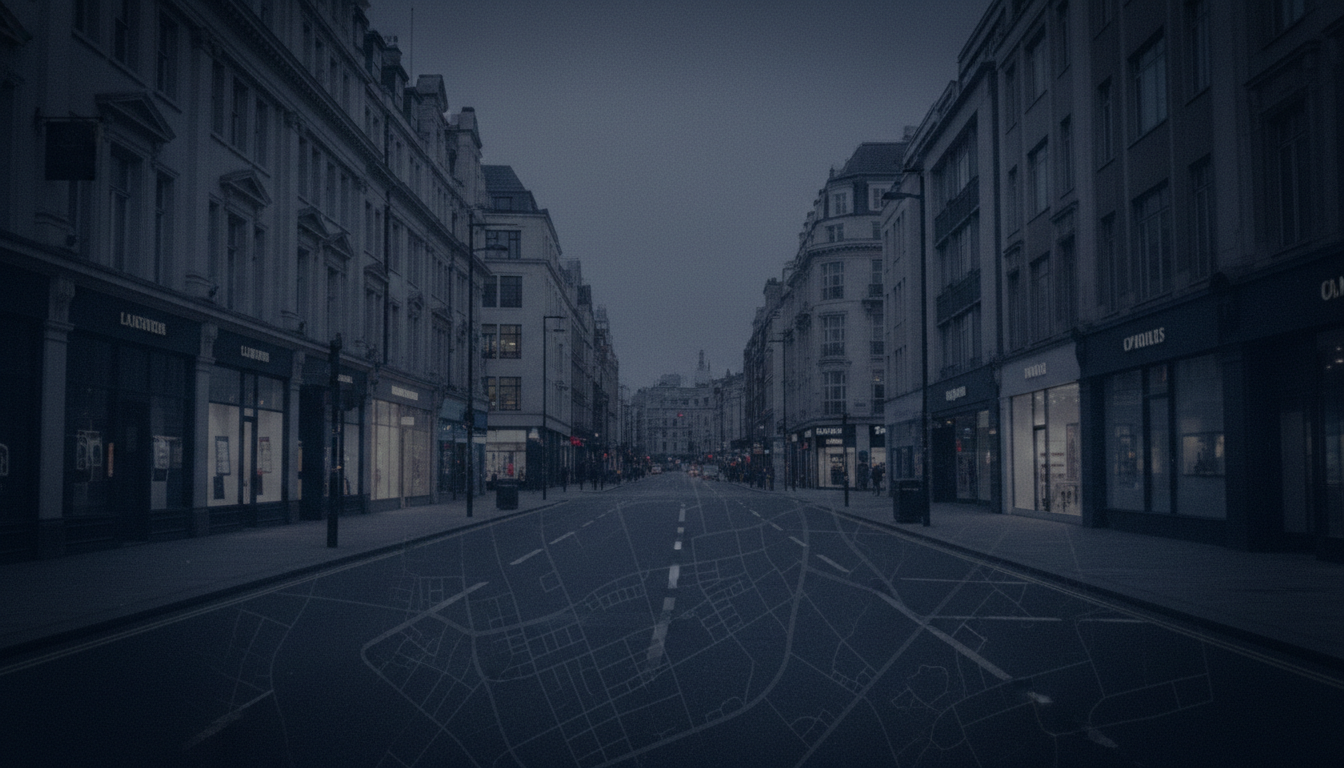

Kensington High Street
Kensington
Kensington High Street W8 sits at the heart of a premium London corridor where luxury retail, lifestyle concepts and essential services converge. Its strong connectivity and dense urban rhythm drive sustained foot traffic through a streetscape that accommodates flagship brands alongside well-curated mid-market retailers. This street sits within the wider commercial landscape covered in Kensington W8 Retail Market Overview and Investment Insights. The surrounding area supports a sophisticated daytime and evening economy, underpinned by a mix of affluent residents, professionals and international visitors who shape demand for well-presented, accessible spaces that perform across different hours.
For anyone considering opening or running a retail concept here, the street offers both opportunity and challenge. High visibility and a premium branding environment attract tested ideas, but success depends on flexible layouts and credible signals of tenant interest to keep vacancies low as market conditions evolve and formats shift. Understanding how space configuration interfaces with consumer behaviour is essential in this setting.
Key practical questions for readers include how unit size, configuration and presentation align with premium concepts; what level of service or activation a space can support; and how to interpret rental outlook and market conditions when evaluating opportunities along Kensington High Street.
Demographic
Typical customer profile
Kensington High Street W8 attracts a broad blend of customers: local residents, professionals commuting to nearby offices, international visitors drawn to flagship brands, and everyday shoppers seeking a premium mix of experiences. The street’s tone is shaped by a combination of luxury and mainstream offerings, with the surrounding area contributing a steady daytime rhythm and a lively evening economy. A practical observation from market dynamics is that occupier interest shown by brands and retailers tends to translate into quicker space uptake when landlords offer flexible layouts and clear, verifiable interest signals—a pattern that benefits both tenants and property owners as activity on the street remains visible and credible.
Age and income profile
The typical profile blends established professionals and affluent residents with a strong propensity to spend on quality and service-led experiences. Shoppers here often engage in longer visits for discretionary purchases, fashion, homeware, and beauty, supported by a workforce that values premium brands and well-curated retail environments. The international visitor segment adds a cosmopolitan layer, reinforcing demand for flagship concepts and enduring brands that signal a premium, trusted local destination.
Purpose of visits
People come to Kensington High Street for a purposeful, multi-faceted day out: browsing flagship stores, meeting friends for coffee or a refined meal, and continuing to essential services. Visitors might pop into Waterstones for a literary browse, treat themselves at Zara Home or Rituals, and then linger over a coffee or lunch in a well-chosen café. The street’s strong retail and dining proposition encourages Cultural or shopping trips that extend into the late afternoon, followed by an evening economy that remains vibrant through the early evening hours.
Temporal patterns
Weekdays see steady foot traffic driven by shoppers and professionals, with a pronounced lunchtime peak and a continued afternoon shopping cadence. Evenings bring a noticeable uptick in visitors, supported by cafes and dining concepts that align with the area’s premium branding. Weekends amplify leisure activity, as tourists and local residents alike explore flagship stores and enjoy social dining, creating a sustained demand across the day.
Local versus travel-in demand
Demand is balanced but leans toward a strong local presence: residents and workers provide a dependable base, while international visitors add spikes around peak shopping and leisure periods. This mix supports a steadier level of foot traffic during weekdays and a more pronounced surge on weekends, helping occupiers plan service levels and opening hours with reasonable confidence.
What this means for businesses
The composure of the demographic supports flagship brands, luxury-to-mainstream fashion, and service-led concepts that benefit from extended hours and high-quality guest experiences. The profile suggests that rental demand remains robust for well-located units with flexible layouts able to showcase premium brands and a curated mix of cafés and services. A broader takeaway is that visibility of occupier interest, paired with adaptable formats, tends to shorten vacancy and sustain the street’s premium identity over time.
Description
Overall commercial character
Kensington High Street is a premium, precinct-like high street within Greater London, noted for prime foot traffic and a balanced retail mix that spans luxury, mainstream, and value offers. The street benefits from excellent connectivity and a strong evening economy, creating a continuous pull for both shoppers and social diners. The environment supports flagship stores alongside carefully chosen boutiques and hospitality concepts, reinforcing a sophisticated yet approachable surrounding area for business owners exploring retail space on a highly visible corridor.
Transport and accessibility
- High Street Kensington Underground Station (Circle, District) – 144 m / 2 min walk
Key local anchors
Waterstones (flagship retail, 32 m) – Major flagship store that anchors the northern end of the street and drives foot traffic for the area.
Rituals (flagship retail, 43 m) – Major flagship store that draws a discerning, gift-oriented crowd, sustaining flow along the street.
Decathlon (flagship retail, 47 m) – Major flagship retailer that broadens appeal to active shoppers and families, boosting daytime foot traffic.
Zara Home (flagship retail, 50 m) – Major flagship homewares anchor that keeps browsers and buyers moving across the street.
Massimo Dutti (flagship retail, 65 m) – Premium apparel anchor that reinforces the street’s upscale positioning and attracts a steady shopper stream.
H&M (flagship retail, 163 m) – Major flagship presence that draws families and young professionals, contributing to durable daily foot traffic.
Hobbs (flagship retail, 221 m) – Prestige fashion anchor that sustains steady visitor flow and cross-street appeal.
Space NK (flagship retail, 296 m) – Flagship beauty and wellness store that helps span morning browses to evening visits, extending dwell time.
Mix of businesses
The street features a mix of flagship fashion, home and beauty concepts, complemented by chic cafés and service-led outlets. High-end boutiques sit alongside mainstream brands, creating a coherent, experiential shopping environment that supports cross-shopping between categories and invites longer visits from the surrounding area.
Trading patterns and foot traffic
Trading rhythms are shaped by morning commuters, lunchtime shoppers, and afternoon tourists, with late-evening dining and drinks reinforcing sustained foot traffic. A strategic takeaway is that brands respond well to visible occupier interest and flexible presentation formats, which helps maintain momentum even when larger units rotate or reconfigure to suit evolving concepts.
Why flexible and experience units work
On a premium high street like Kensington High Street, small, flexible spaces and experience-led concepts perform well because they can be reconfigured to test concepts quickly, attract impulse visits, and align with seasonal campaigns. Platforms that guide tenant intent and short-term experiential leases support adaptive use of space, enabling brands to trial new formats without long-term commitments while preserving the street’s premium identity.
Rental market conditions and availability
vacancy tends to tighten where brands perceive clear audience alignment and an active landlord or agent response. Typical unit sizes support a spectrum from boutique corners to mid-sized storefronts, with market dynamics favouring units that offer adaptable layouts and efficient turnover for operators ready to respond to demand. For property managers, presenting verified interest and flexible configurations remains a key lever to sustain occupancy in line with the street’s high expectations.
What's changing here
A distinct, non-obvious takeaway is that the speed at which space is filled hinges on how clearly occupier interest is surfaced and how flexibly landlords can respond with reconfigurable layouts. When landlords actively surface credible inquiries and offer adaptable formats, vacancy time compresses and the street’s premium appeal is maintained, benefiting both tenants exploring new concepts and owners seeking steady rentability.
What This Means for Businesses
In Greater London, Kensington High Street benefits from a balanced mix of flagship fashion, home and beauty concepts alongside cafés and services, drawing steady foot traffic from locals, professionals, and visitors. For business owners, that cadence supports extended hours and premium guest experiences, with flexible floor space and reconfigurable layouts aiding display and operation. The surrounding area sustains daytime demand and a lively evening economy, while proximity to High Street Kensington station improves access for staff and customers. Visible occupier interest helps limit vacancy and sustain the street’s upscale identity.
From a business outlook, steady tenant demand and a stable market conditions view reinforce Kensington High Street’s appeal for premium space. Flexible, test-ready units tend to perform well, with visible interest and adaptable layouts helping occupancy. If conditions stay supportive, readers may wish to enquire about available units.