
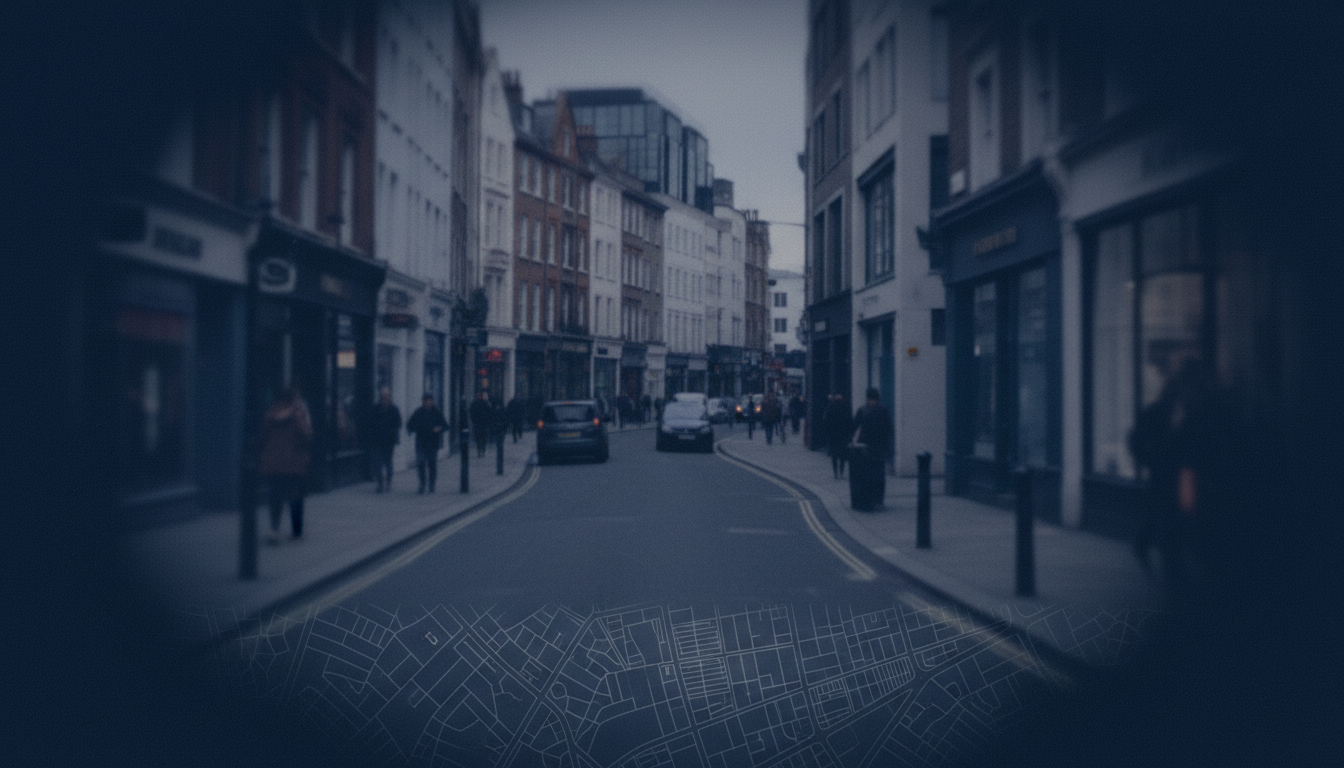


Goodge Street
Fitzrovia
Goodge Street sits within Fitzrovia, a tight-knit corridor linking the West End’s luxury clusters with central London's office and creative communities. It operates as a high-street strip where compact units can support flagship concepts, premium food and beverage, and experiential retail without the scale of main streets. This street sits within the wider commercial landscape covered in Bloomsbury & Fitzrovia W1T Retail Market Overview and Investment Insights, which highlights the vibrant retail scene blending experiential, food-led, and mainstream formats. For business owners considering opening or running a store here, the location matters because it combines strong foot traffic with easy access to transport links and a clear daytime and evening flow. The surrounding area supports visitors who value quality, efficient experiences on a visually strong street.
Key questions this guide helps explore include how to balance exposure with occupancy costs on a street where a mix of businesses, dining and entertainment shapes shopper patterns; how transport accessibility and adjacent anchors influence foot traffic and visit duration; what lease structures and flexibility suit short-entry concepts; and how rental market conditions and investment outlook affect visibility and risk for small-format spaces.
This introduction frames Goodge Street as a practical market resource for business owners and tenants weighing compact space options, brand-led concepts and short-lease opportunities. It hints at the commercial complexity and the opportunities that come with proximity to luxury clusters, dining and transport hubs, inviting you to read on to assess how the street could fit your customer proposition and operating model.
Demographic
Customer Profile
Goodge Street sits at the heart of Fitzrovia, a busy, creative district that blends office workers, students and local residents with a steady stream of visitors who seek a compact, high‑quality shopping and leisure experience. The street functions as a gateway for flagship brands and premium casual offers, attracting people who value convenience, style and a quick, polished visit. Visitors will often combine a stop for a book or a film with a bite to eat or a coffee, using the street as a practical anchor on a longer city day that includes nearby Waterstones, the Odeon and other major names.
Age and Income
The typical passer-by skews younger professionals and cosmopolitan workers with discretionary spending and a taste for curated retail experiences. The area’s mix of luxury, mainstream and value brands supports a broad spending palette, while the evening economy reinforces demand for concepts that perform across day and night. The profile is mobile, educated and socially active, seeking quality in a compact, lobby‑free street environment.
Purpose of Visits
People come to Goodge Street to browse, eat and connect between meetings, or to enjoy short leisure moments after work. Visitors often drop into Waterstones or Liberty London for a quick browse, then move to a café or dining venue, before continuing to the surrounding entertainment and boutique clusters. The street’s energy encourages experiential visits as part of a broader city centre itinerary rather than dedicated, long shopping trips.
Temporal Patterns
Weekdays carry a steady daytime tempo with lunch and post‑work flows feeding the street’s shops and cafes. Evenings become busier as dining and entertainment venues attract after‑work crowds, creating a longer period of activity. Weekends add extra foot traffic as shoppers, moviegoers and casual visitors mix with local workers and residents in a more relaxed rhythm.
Local vs Travel-in
Demand reflects a balanced mix of local residents and workers, with travel‑in visitors drawn by the area’s proximity to luxury clusters and flagship brands nearby. This dual pull supports resilient rentability for diverse unit formats and encourages brands to test premium concepts in a compact setting close to major transport hubs.
Implications for Businesses
The demographic supports a mix of high‑visibility retail, premium crossover concepts and experiential pop-ups. The environment rewards flexible formats, strong window presentation and easy access for daily shoppers and evening guests alike, reinforcing solid tenant demand for smaller, well‑configured spaces near strong transport links.
Description
Commercial Character
Goodge Street sits amid Fitzrovia — Greater London, a short walk from the West End luxury clusters and Oxford Street spillover. The street is defined by a vibrant mix of flagship retailers, premium dining and experiential concepts, anchored by a high level of foot traffic and excellent connectivity. It operates as a refined high‑street strip where compact, premium units thrive because they offer proximity to luxury and entertainment without the rents of main thoroughfares. The surrounding area supports a continuous flow of shoppers and diners, sustaining a lively daytime to evening cycle.
Transport and accessibility
- Goodge Street Underground Station tube (Northern) – 180 m / 2 min walk
- Tottenham Court Road Underground Station tube (Central, Northern) – 379 m / 5 min walk
- Tottenham Court Road Elizabeth Line (Elizabeth Line) – 443 m / 6 min walk
- Oxford Circus Underground Station tube (Bakerloo, Central, Victoria) – 690 m / 9 min walk
- Warren Street Underground Station tube (Northern, Victoria) – 727 m / 9 min walk
- Euston Square Underground Station tube (Circle, Hammersmith & City, Metropolitan) – 746 m / 9 min walk
Key local anchors
Tesco Express (supermarket, 17 m) – Major supermarket draws daily shoppers and supports a steady stream of foot traffic for the street.
Waterstones (flagship retail, 341 m) – Major flagship store anchors book‑lovers and passes‑through traffic, reinforcing daytime activity.
Primark (flagship retail, 411 m) – Major flagship retailer increases cross‑tourist and local foot traffic, helping sustain a busy retail pulse.
Liberty London (flagship retail, 778 m) – Major flagship presence elevates the street’s luxury pull and brand prestige for nearby tenants.
Argos (flagship retail, 88 m) – Major flagship retailer adds value offers and quick‑purchase appeal for passing customers.
Odeon (theatre, 213 m) – High‑footfall entertainment venue concentrates evening traffic and encourages longer dwell times nearby.
Superdrug (flagship retail, 150 m) – Major flagship retailer supports everyday convenience and rapid turnover for quick, frequent visits.
Jo Malone (flagship retail, 223 m) – Major flagship brand enhances the street’s luxury narrative and attracts discerning shoppers.
Mix of businesses
The street supports a mix of shops, cafés, offices and pop‑ups that suit both daytime and evening economies. Flagship retail and luxury brands coexist with mainstream and value offers, creating a balanced shopper journey. This combination allows small, flexible units to perform well when they are visually strong, highly accessible and closely integrated with dining and entertainment clusters nearby.
Trading patterns and foot traffic
Pedestrian flows on Goodge Street are driven by prime foot traffic, with peaks around lunchtime and early evenings. Spillover from Oxford Street pedestrianisation and West End expansion is shaping demand toward premium, compact spaces that can accommodate experiential retailers and brand‑led concepts while avoiding main‑drag rents. This creates a favorable environment for quick, high‑value visits and short‑term propositions.
Flexible and experience units
Smaller, flexible units with high visibility perform strongly here, matching premium consumer expectations with short‑lease flexibility. The premium spillover dynamic makes Goodge Street an attractive home for pop‑ups, concept stores and brand‑led tenancy that benefit from proximity to luxury clusters yet avoid the larger rent burden of the main drag.
Rental market and availability
Typical units tend to be compact with efficient, flexible layouts. Demand remains steady among brands testing premium concepts or seeking a quick market entry. Rental conditions favour adaptable tenants and responsive property management, with a focus on early renewal opportunities and shorter commitment terms where possible.
What’s Changing Here
The premium spillover from the West End is gradually reshaping the type of tenant that looks to Goodge Street. Expect increased demand for experiential spaces and brand‑led pop‑ups that can anchor flagship brands without occupying large street fronts. For business owners, this translates into opportunities to deploy high‑visibility, compact units that capture luxury‑driven attention while keeping occupancy costs manageable, and for investors, clearer rental yields and market conditions that reward flexible, brand‑led tenants.
What This Means for Businesses
Goodge Street sits at the heart of Fitzrovia, where local workers, residents and a steady stream of visitors generate reliable foot traffic across daytime and into the evening. Compact shops, cafes and experiential concepts benefit from proximity to Waterstones, Liberty London and the Odeon, while staying within easy reach of Goodge Street, Tottenham Court Road and Oxford Circus transport hubs. This mix of premium and everyday brands encourages frequent, short visits and a distinctive city‑center rhythm that supports flexible formats and rapid turnover.
Business owners benefit from high visibility formats that are easy to access and quick to serve daily crowds. The combination suggests stable rental yields and a constructive market outlook, with demand anchored by strong transport links and West End spillovers, a dynamic that will also appeal to investors. If you are weighing options on Goodge Street, it may be worthwhile to enquire about available units to assess how your concept could sit within this active corridor.