
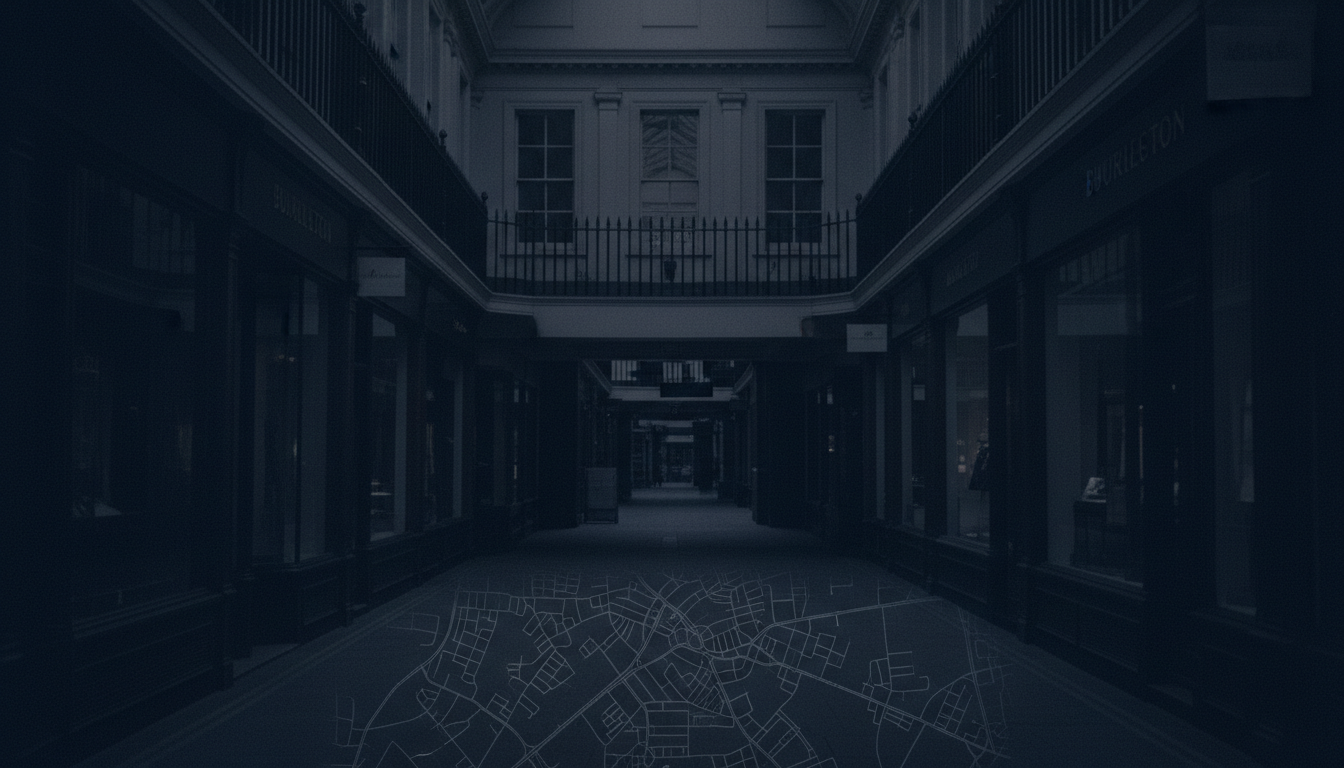

Burlington Arcade
Mayfair
In the heart of Mayfair, Burlington Arcade sits within the W1J postcode as a celebrated luxury retail spine. The enclosed arcades, complemented by a refined street profile, attract a steady rhythm of foot traffic from local shoppers, nearby office workers, and international visitors drawn to flagship labels and curated experiences. Its position close to the West End theatre and dining cluster, together with strong transport links, helps create a premium trading environment where brand presentation, service standards, and ambience influence visitor choices and tenancy dynamics.
For anyone considering opening or running a business here, the location matters because it concentrates high expectations, a discerning audience, and a leasing market that rewards quality concepts and adaptable formats. This street sits within the wider commercial landscape covered in Mayfair W1J Retail Market Overview and Investment Insights. The surrounding area supports a refined dining economy, durable demand for luxury retail, and opportunities for pop-ups or flagship concepts that test ideas with minimal long-term risk. Investors and landlords will weigh rental yields and market conditions alongside the appeal of a curated, experience-led tenant line-up.
The cadence of day and evening foot traffic and the premium journey across Burlington Arcade frame the practical considerations for anyone evaluating a site here. The balance with Mayfair's luxury narrative, space presentation, and flexible leasing options can influence decisions about store format, interior fit-out, and long-term viability.
Demographic
Typical customer and user profile
Burlington Arcade attracts a steady stream of Mayfair residents, nearby office workers and international visitors drawn to luxury brands. Shoppers come for curated shopping experiences, while tourists appreciate the arcade’s refined ambience as a prelude to West End theatre and dining. The street also functions as a refined waypoint for premium service concepts and brief cultural or fashion-focused visits, supported by the surrounding area’s prestige and connectivity.
Age and income profile
The audience spans mature, high-spending shoppers and younger professionals who value quality, service and brand provenance. Affluence is evident in the demand for flagship labels, luxury finishes and attentive customer experience, rather than volume-led discounting. The Mayfair context supports stable, quality-focused demand and longer tenancy commitments from premium brands seeking consistency.
Purpose of visits
People visit Burlington Arcade to explore flagship stores, enjoy premium retail experiences and pair shopping with a refined meal or coffee. Visitors often combine a brand-led excursion with nearby Fortnum & Mason or other Mayfair destinations, turning a stroll into a short, curated outing rather than a quick errand.
Temporal patterns
Weekdays show steady foot traffic as professionals browse during lunch breaks or after work, while evenings bring a stronger dining and luxury retail cadence. Weekends heighten leisure visits, with longer shopping stays and weekend tourism contributing to a more relaxed but pronounced flow of visitors through the arcade.
Local vs travel-in demand
Demand balances between local residents and office staff with a meaningful stream of travel-in shoppers and tourists drawn by flagship brands and the surrounding West End energy. The mix supports a resilient trading environment where premium concepts can thrive alongside steady local demand.
What this demographic means for businesses here
Operators that offer polished service, luxury retail experiences or premium dining are well matched to the street’s profile. The rental market tends to favour high-quality unit presentation and brands that can sustain a refined customer journey. There is a shifting openness toward curated experiences, and flexible leasing options can help attract premium tenants seeking adaptable flagship concepts.
Flexible leasing appeal
There is a growing preference for curated experiences and premium brands, with landlords increasingly valuing flexible terms that accommodate short-term flagship or pop-up concepts. This flexibility can help Burlington Arcade stand out in the Mayfair market and support quicker capital growth for property owners while allowing tenants to test concepts with minimal long-term risk.
Description
Overall commercial character
Burlington Arcade sits at the heart of Mayfair, within the W1J postcode, and is recognised as an iconic luxury shopping route. The enclosed arcades, combined with a high-end street profile, deliver prime foot traffic, a mix of flagship retail and specialist services, and a strong evening economy. This positioning shapes tenant demand toward premium brands, concierge-level service and carefully curated experiences, reinforcing Burlington Arcade as a premier luxury retail corridor with solid investment potential in the surrounding Mayfair area.
Transport and accessibility
- Green Park Underground Station (Jubilee, Piccadilly, Victoria) – 299 m / 4 min walk
- Piccadilly Circus Underground Station (Bakerloo, Piccadilly) – 445 m / 6 min walk
- Oxford Circus Underground Station (Bakerloo, Central, Victoria) – 705 m / 9 min walk
- Bond Street Elizabeth Line – 741 m / 9 min walk
Key local anchors
Chanel (flagship retail, 12 m) – Major flagship retail store anchors premium shoppers and generates foot traffic along the arcade, drawing visitors who also explore nearby luxury brands.
Prada (flagship retail, 26 m) – A flagship brand that concentrates high-spend visitors and complements neighbouring haute labels, reinforcing Burlington Arcade’s luxury identity.
Gucci (flagship retail, 52 m) – Draws brand loyalists and international shoppers, helping sustain premium turnover and window display opportunities for adjacent units.
Cartier (flagship retail, 67 m) – A landmark tenant that attracts visitors seeking luxury jewellery and gifts, boosting cross-traffic to nearby shops and cafés.
Tiffany & Co (flagship retail, 101 m) – Adds to the luxury draw, pulling discerning buyers and contributing to a high-value foot traffic corridor.
Bulgari (flagship retail, 173 m) – Supports the premium retail cluster with a distinctive jewellery proposition and international appeal.
Fortnum & Mason (flagship retail, 174 m) – A destination food purveyor that extends the luxury experience and encourages longer visits for brunch or tasting experiences.
Burberry (flagship retail, 193 m) – A flagship anchor that reinforces the luxury magnet and pairs well with other fashion-led concepts on the street.
Mix of businesses
The street features a pronounced mix of shops, premium cafés and selective services, with luxury fashion and jewellers forming the backbone. Galleries and concept spaces occasionally punctuate the arcades, and high-service cafés provide complementary functions for visitors taking a break during premium shopping trips. This mix underpins elevated customer expectations and trading synergies across adjacent units.
Trading patterns and foot traffic
Trading cycles are shaped by a steady daytime flow, a strong weekend uplift and a reliance on the theatre-district mood of nearby West End. The premium ambience sustains consistent foot traffic across peak hours, while evening foot traffic supports a refined dining economy that supplements shop sales and lifestyle brands. Tourists and local professionals alike contribute to a balanced trading rhythm.
Why smaller, flexible or experience-led units perform well
Compact, adaptable spaces work well for experiential concepts, pop-ups and premium service formats. The premium context rewards operators who create immersive experiences, while shorter or turnover-based leases reduce risk for brands testing new concepts in a flagship setting. This dynamic approach aligns with Burlington Arcade’s luxury narrative and ongoing demand from premium brands seeking visibility without long-term rigidity.
Rental market conditions and availability
Typical units favor refined layouts with high-quality finishes and ready-to-trade services. Lease terms tend toward quality tenants who can deliver consistent service and a premium customer journey. Vacancy levels remain limited by strong demand from flagship labels and curated concepts, while landlords remain selective, prioritising brands that fit the Mayfair delineation of luxury and experience.
Strategic leasing observation
A practical takeaway is that landlords who offer flexible, turnover-based leasing alongside turnkey spaces can differentiate Burlington Arcade from adjacent luxury clusters. By enabling short-term flagship concepts and curated pop-ups, the street can continually refresh its offer while maintaining the premium standards that anchor long-term capital growth in the Mayfair area.
What This Means for Businesses
Burlington Arcade sits at the heart of Mayfair and draws a steady stream of local professionals, residents and international shoppers who come for flagship labels and a refined dining or coffee backdrop. The street’s strong mix of shops, premium cafés and landmark anchors such as Chanel, Prada, Gucci, Cartier, Tiffany & Co and Fortnum & Mason supports a high-value foot traffic corridor, with weekday lunches and weekend leisure shaping a resilient trading rhythm. For operators, compact, adaptable spaces and turnkey concepts tend to perform well, while landlords value flexible terms to attract premium brands seeking a curated flagship presence. With excellent access from Green Park, Piccadilly Circus and Bond Street, and ongoing demand from luxury concepts, market conditions point to continued rental yields and capital growth; you might enquire about available units if this aligns with your plans.